
















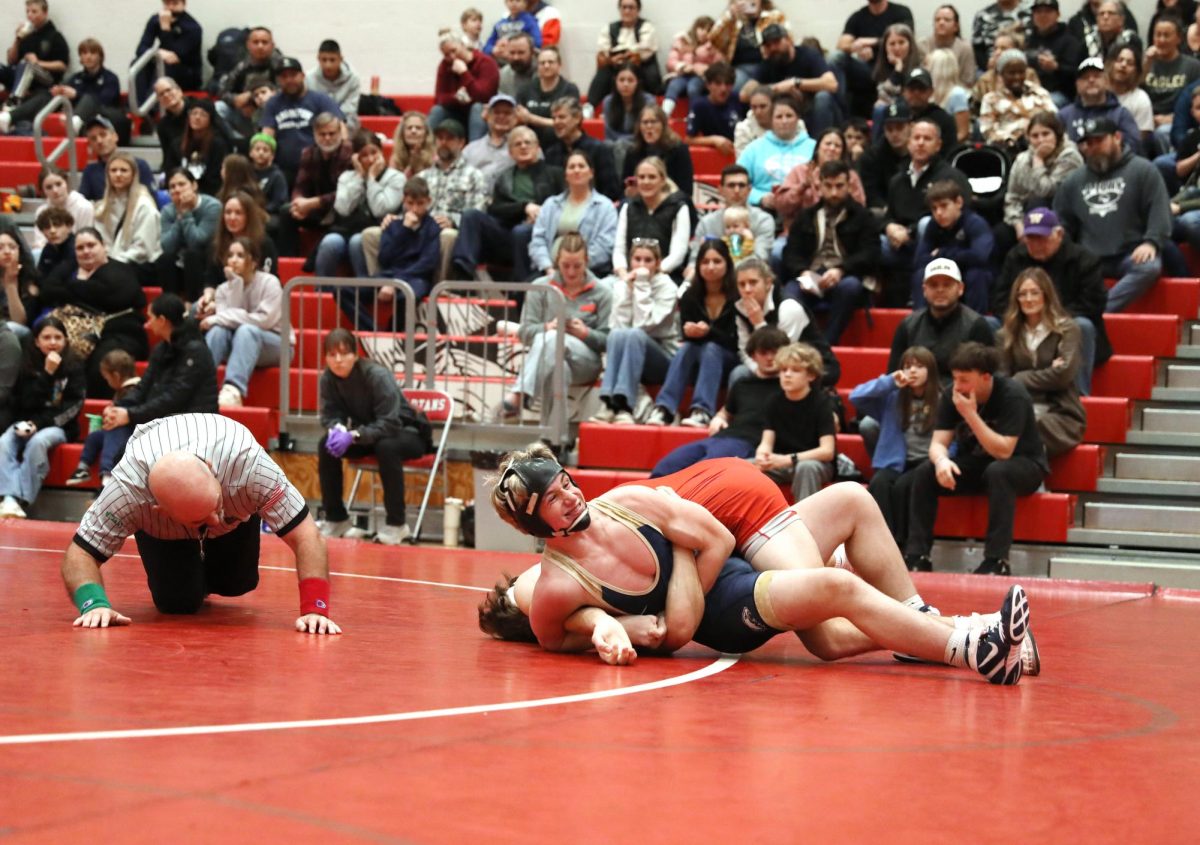
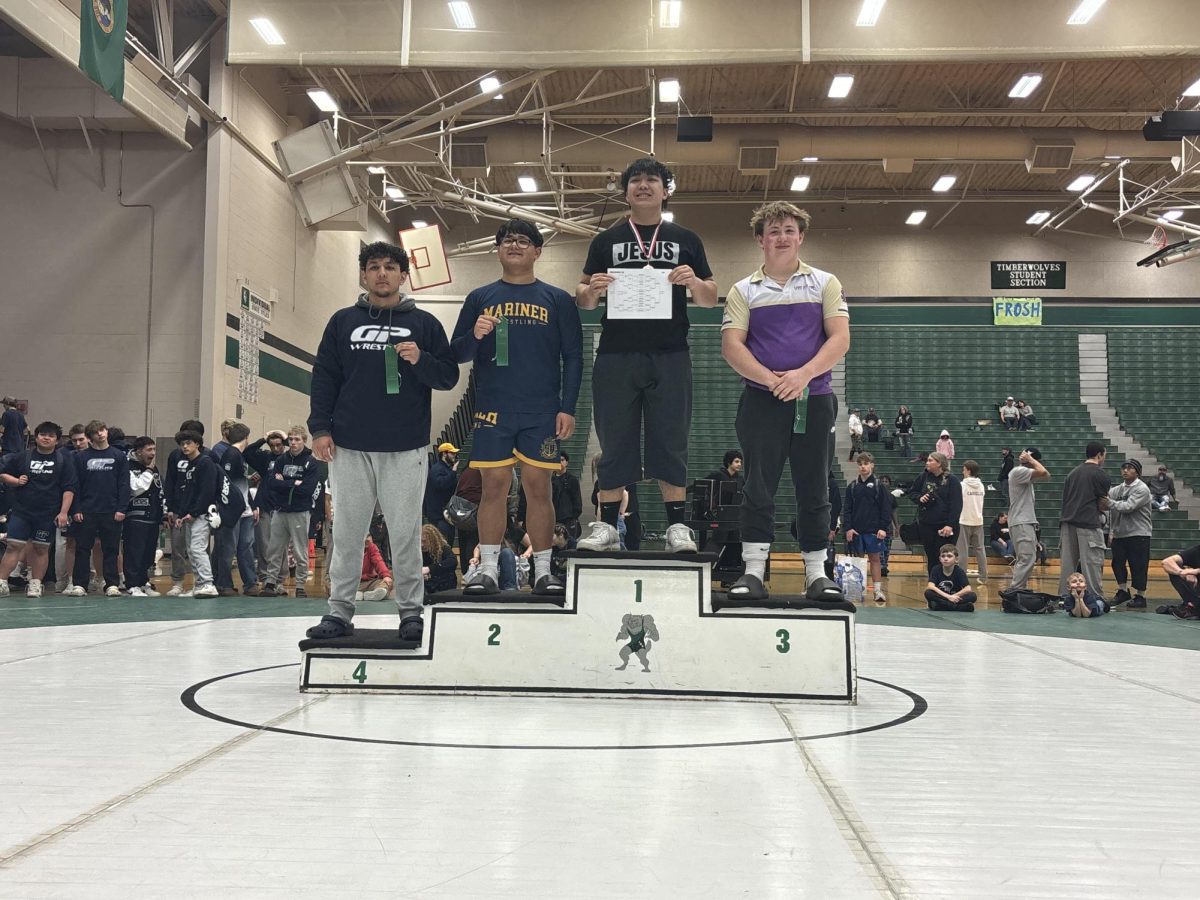



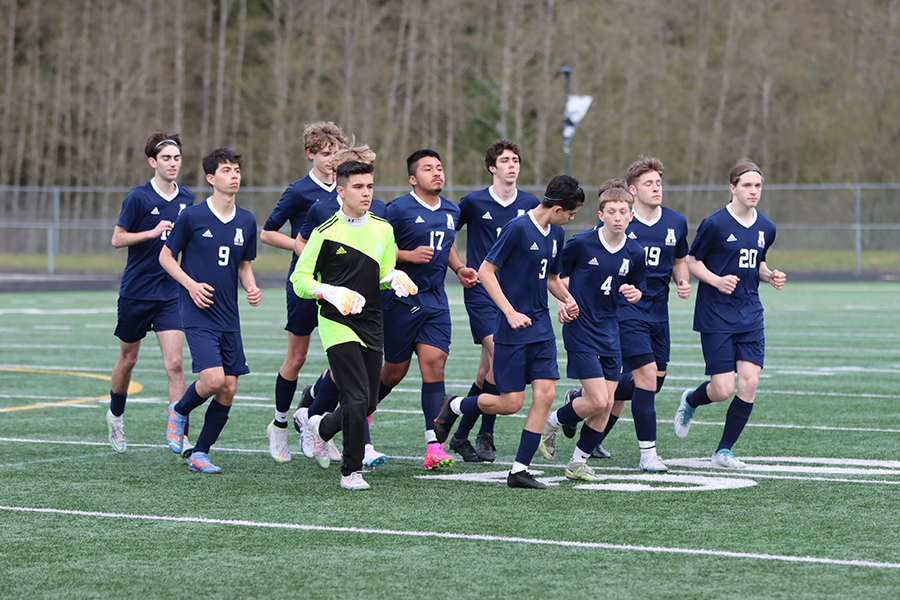
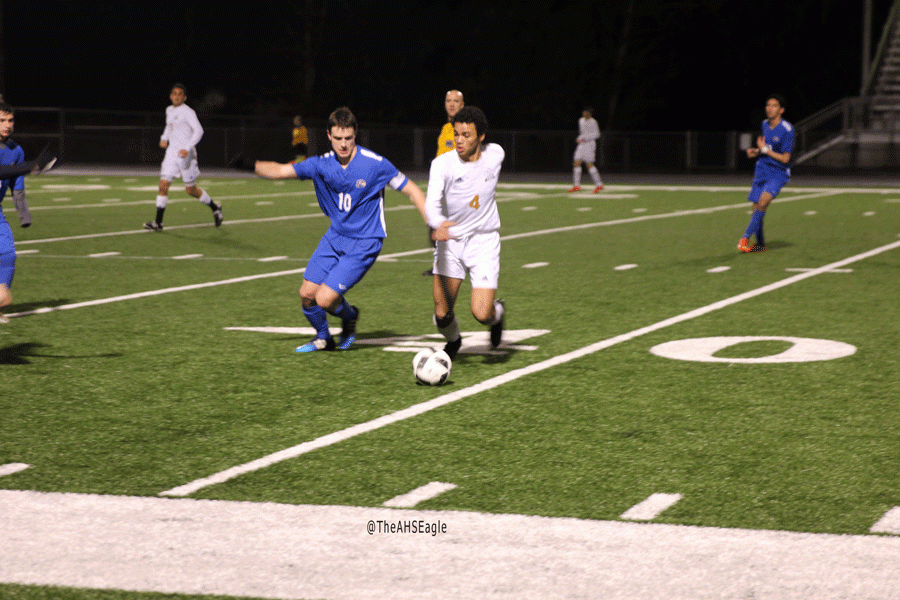
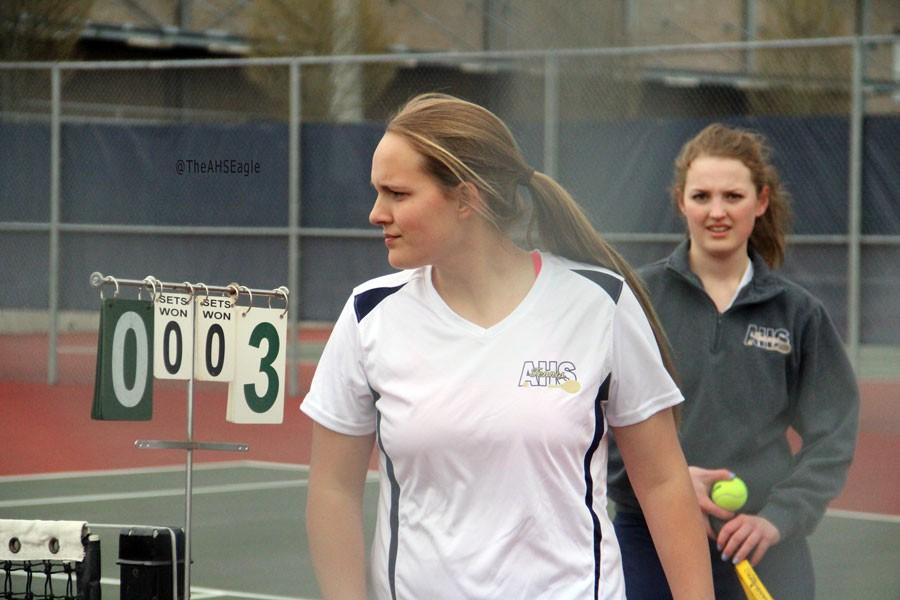
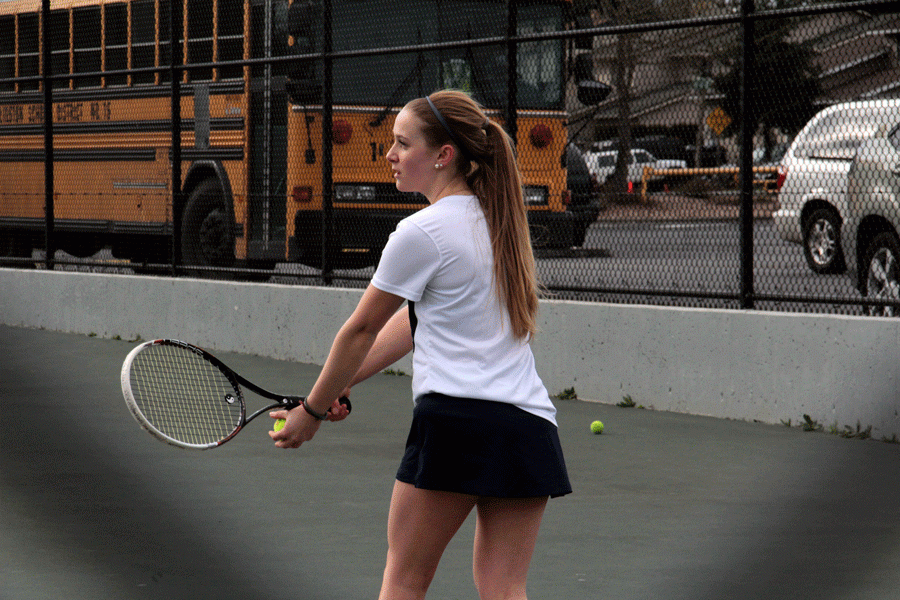
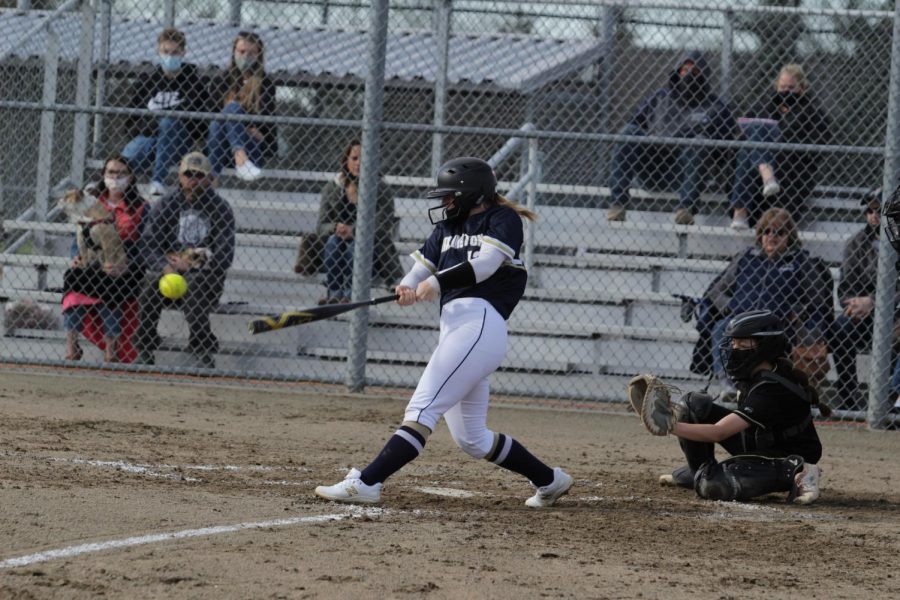
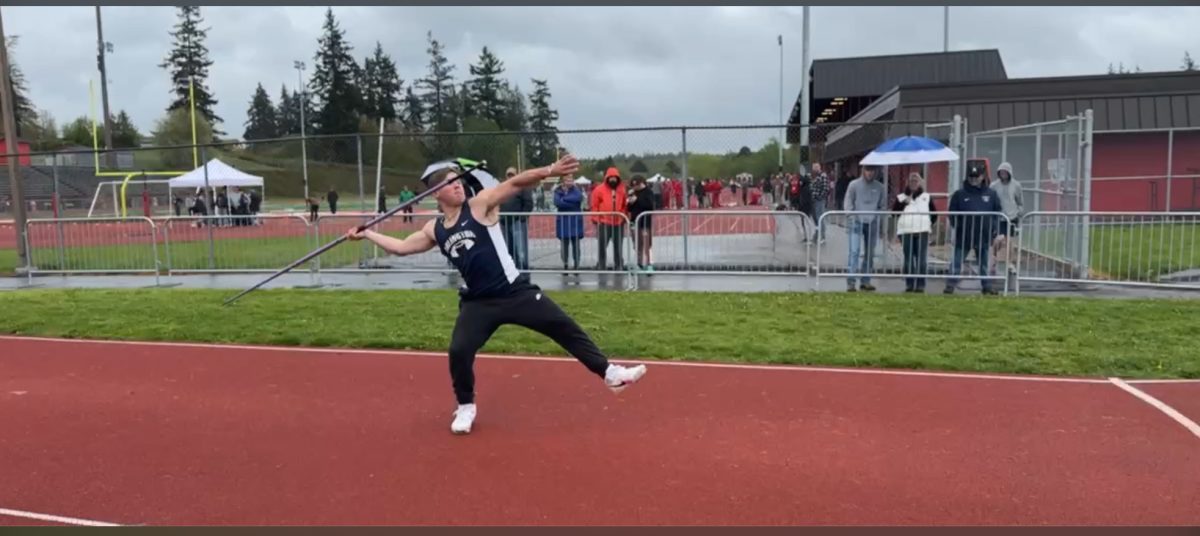
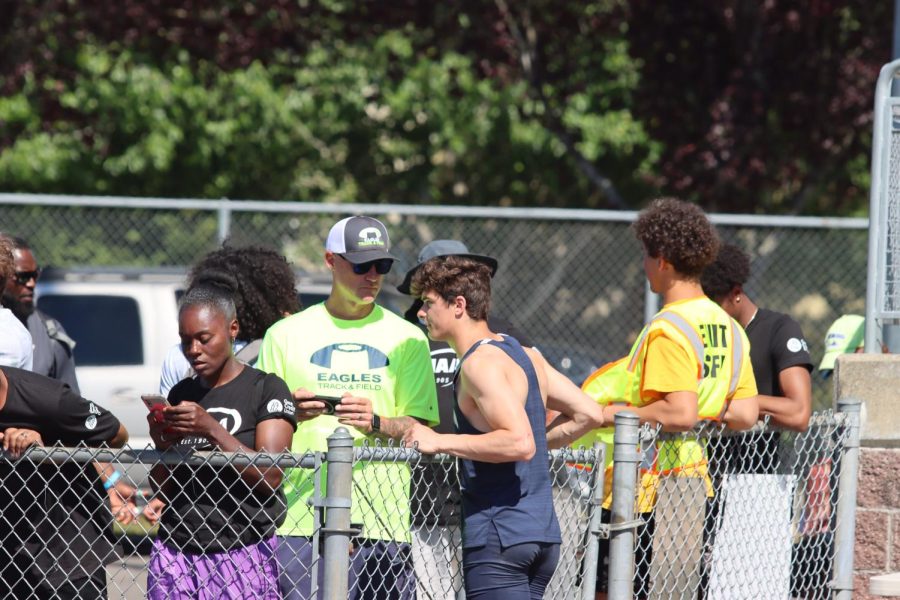









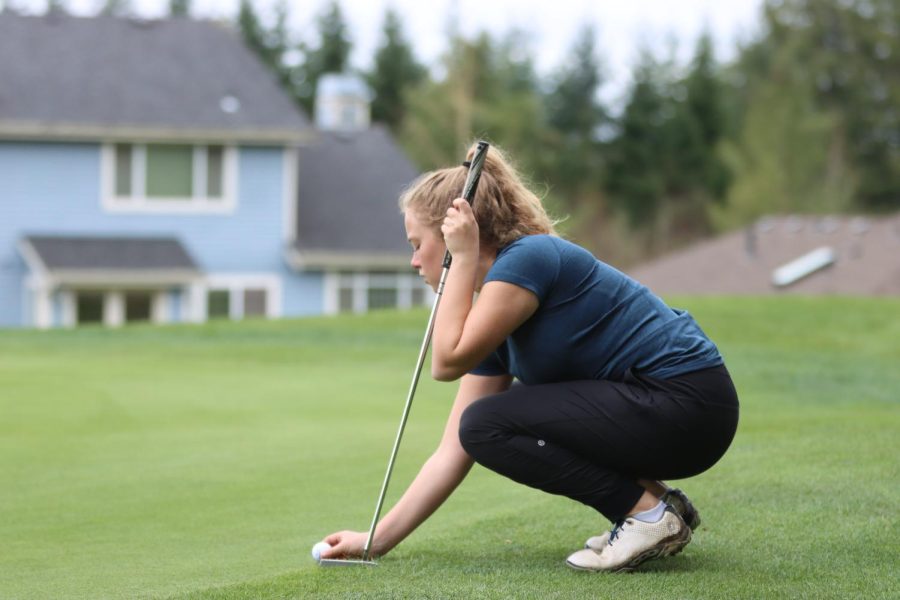




For many high school athletes, training is a must. Putting in hard work and dedication into your sport is the baseline need for all athletes to perform well in season. But what happens when you take that dedication and grit into the off-season?
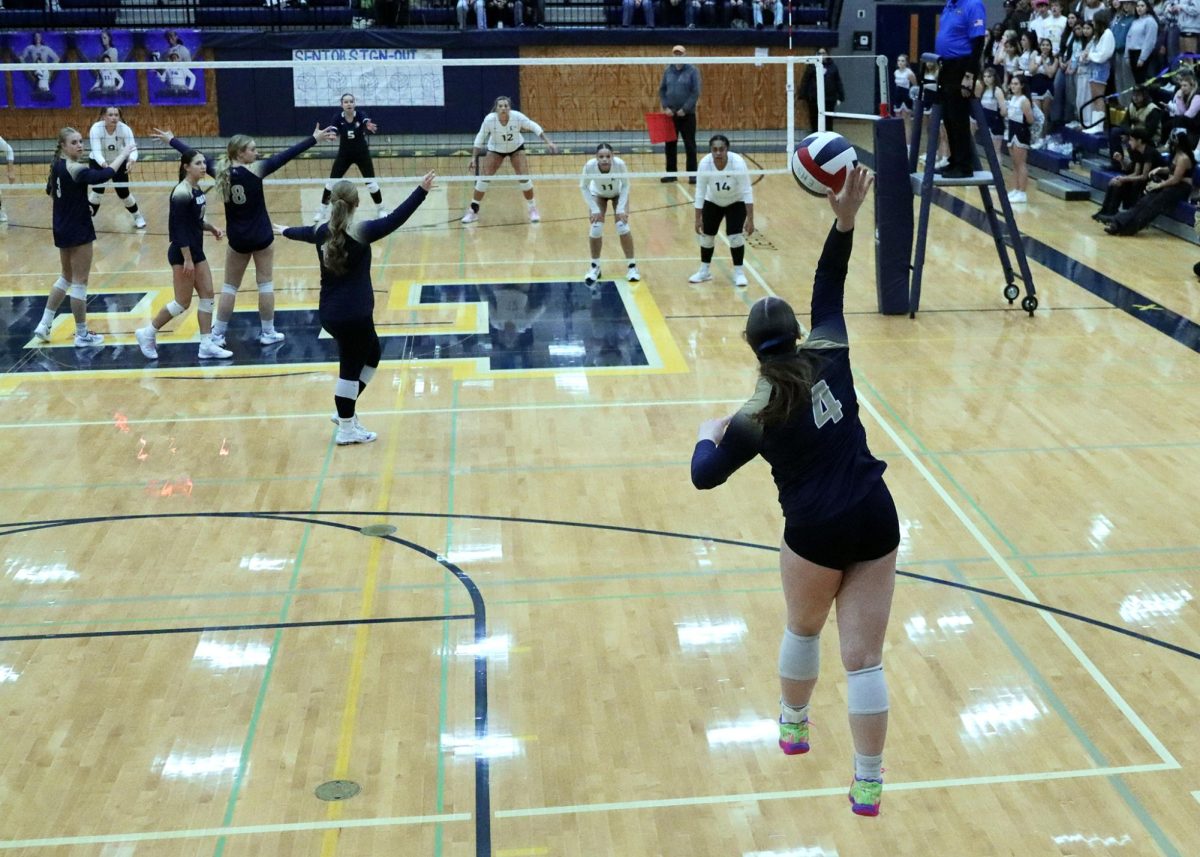
At Arlington High School, we offer a wide variety of sports throughout the year. Some athletes find themselves trying out different seasonal sports, always being productive at multiple things, while many others stop right after finishing their season, not practicing anymore, waiting for their sport to start up again.
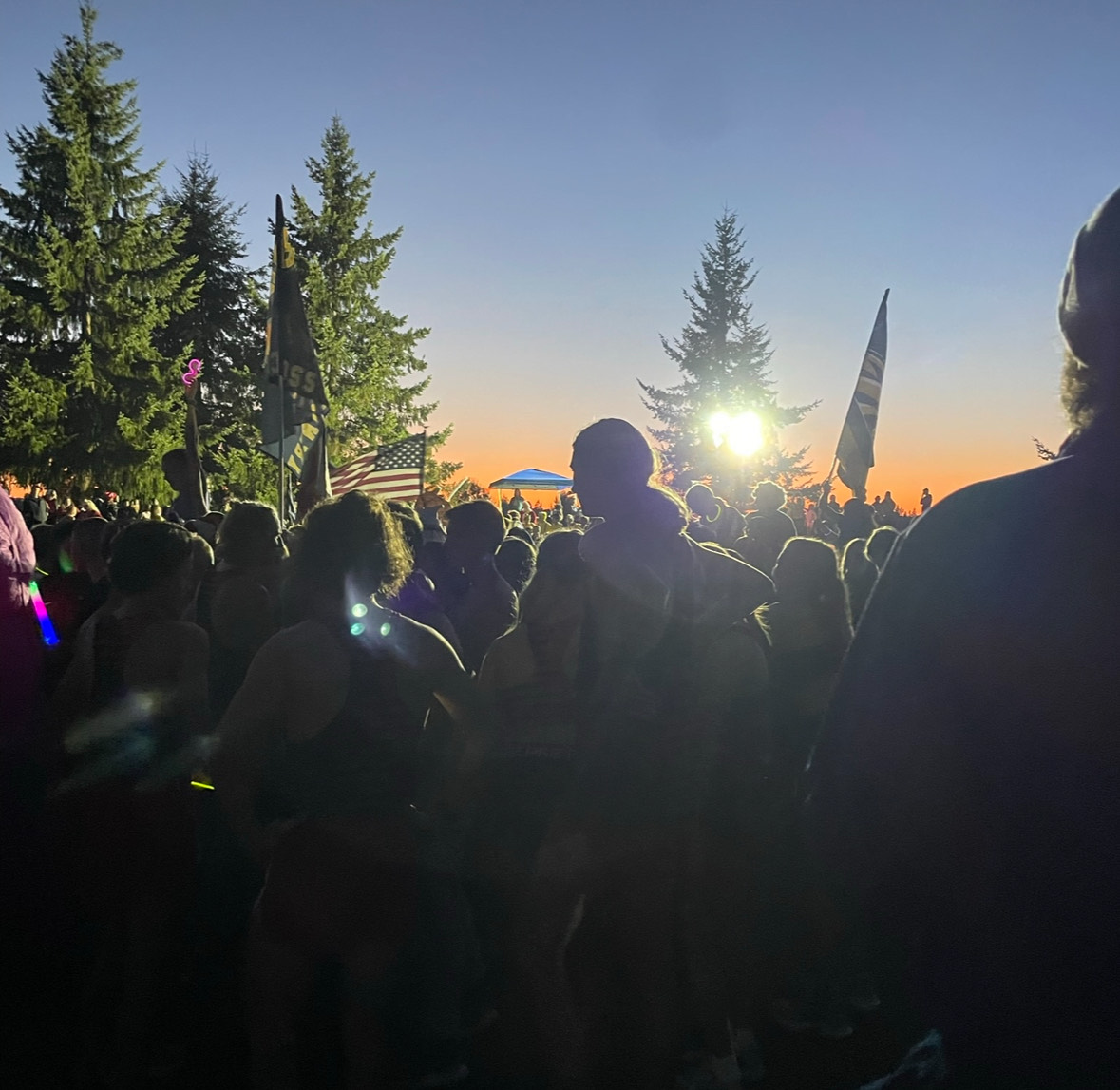
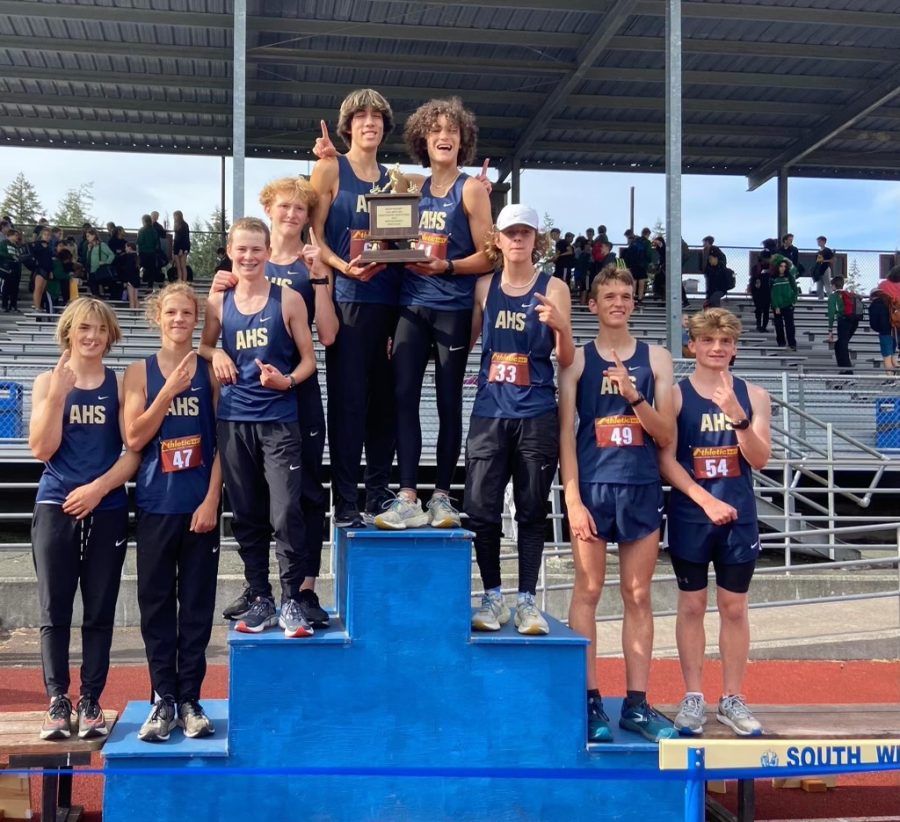
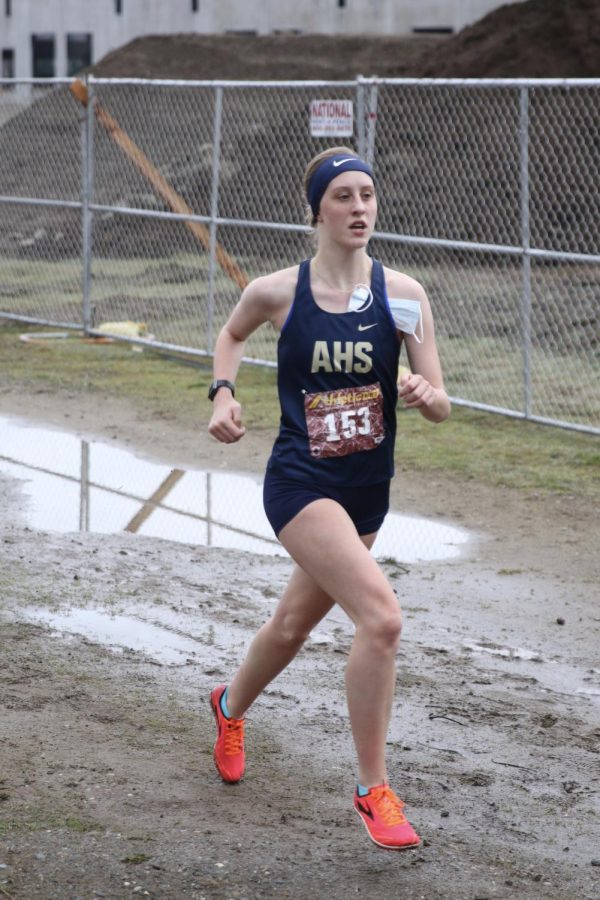
“I do believe all athletes should train in the off-season, especially if they want to be good in their sport, like, go somewhere with it,” Derek Salmon (‘27), a varsity cross country runner said. “It does get repetitive, but I just remind myself that it’s going to pay off and it’s going to work out for me in the in-season.”
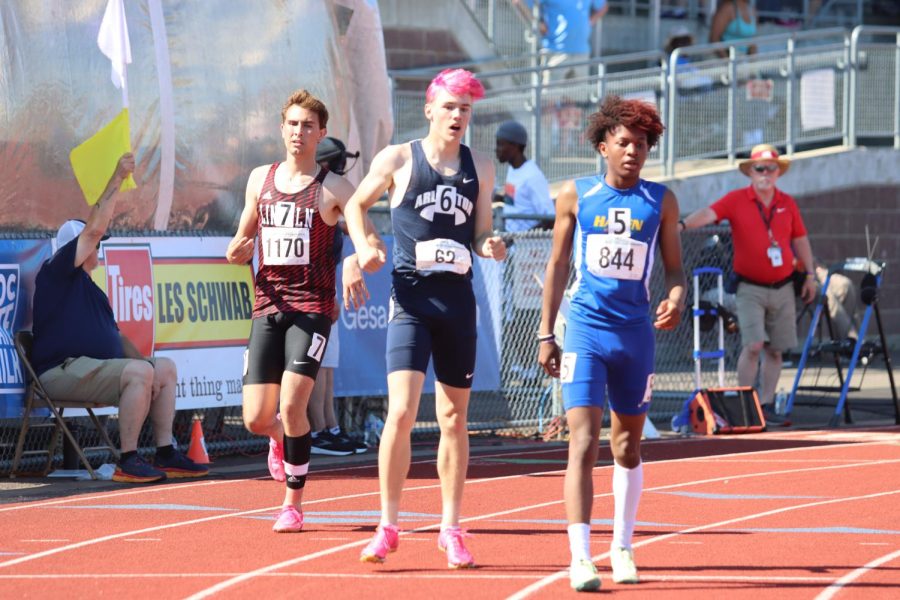
While some athletes don’t train because they choose not to, in the world of track and field pole vaulters have a difficult time finding time for themselves to train due to their off-season limitations for training plans.
“I can’t really actually practice anything without it because the cost of materials is so much,” Joel Alburn (‘27), one of many AHS pole vaulters said. “A lot of the time I would forget the same thing over and over again…I kind of just try to pick it back up when the season starts up again.”
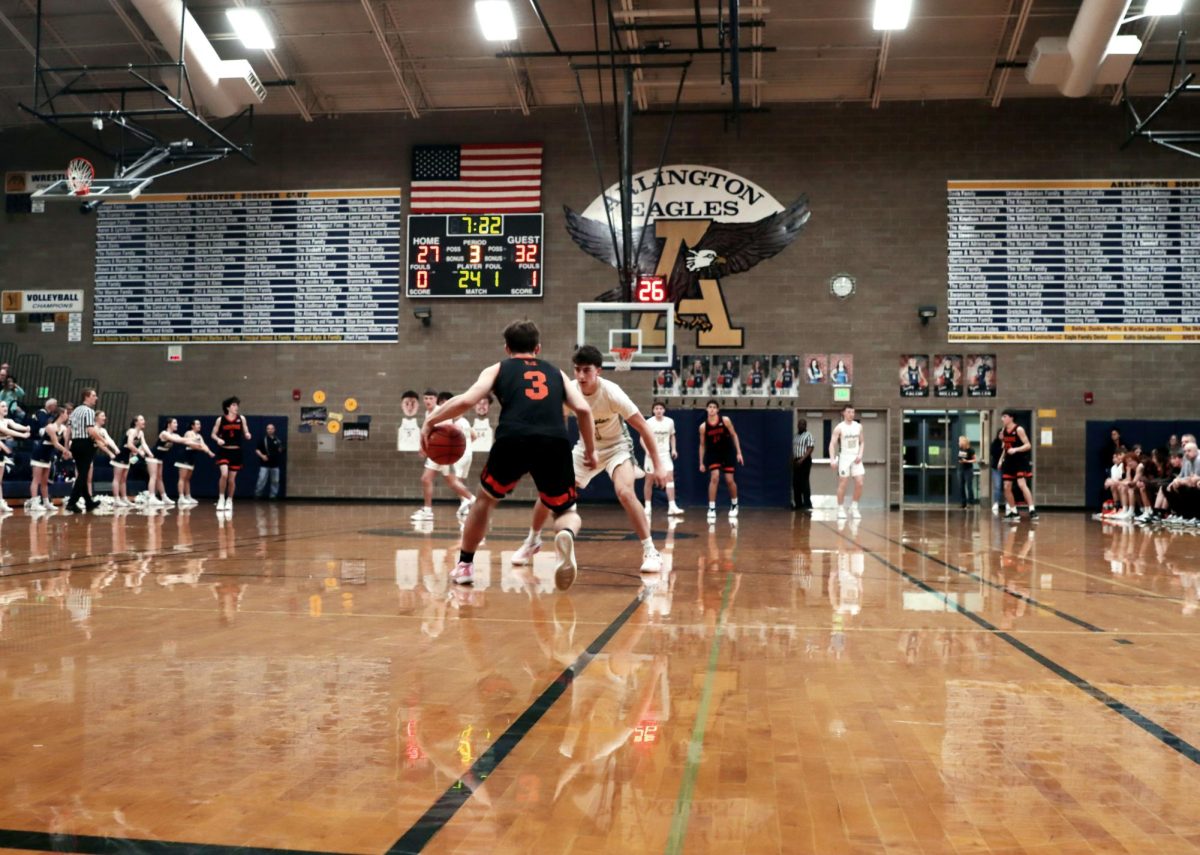
Viewed from both sides of the spectrum, it’s hard to find a middle ground to train during an off-season when trying to do the sport you love, especially when you do multiple sports such as basketball and track for which both in-season and off-seasons collide. That requires sacrifice in order to excel at one.
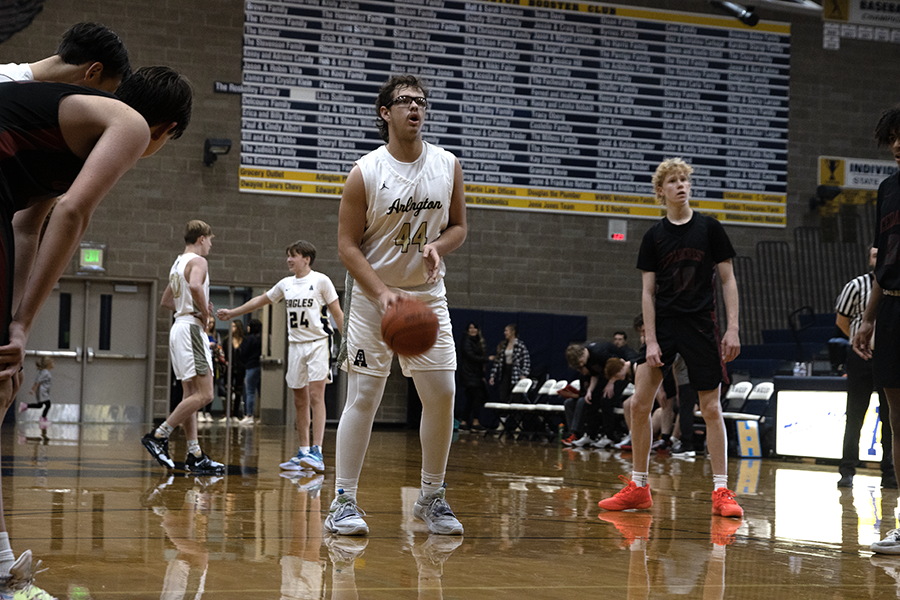
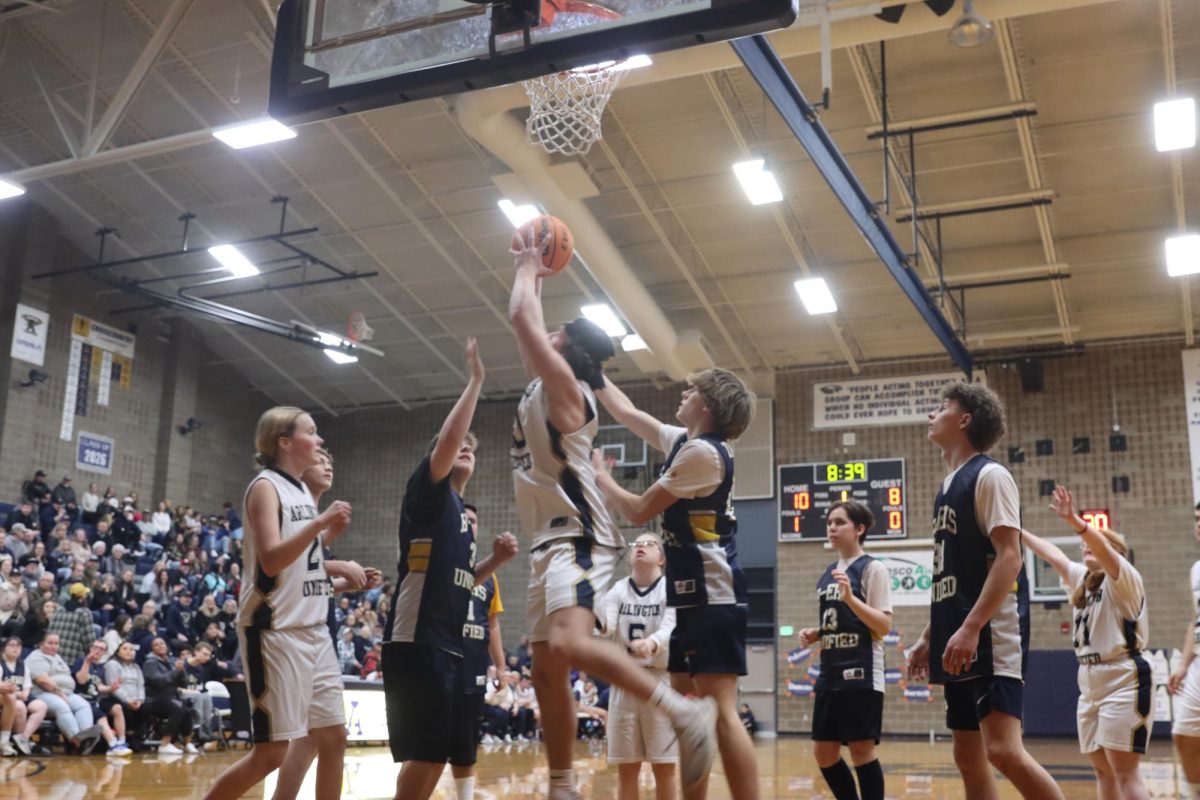
“I do basketball and track…It’s a lot of time in my day that I have to spend working on my shot or sprinting, But I can’t work fully on track when basketball season’s in,” Nicholas Mathieson (‘27) said. “It’s a little frustrating, but I chose to do two sports, so I got to deal with it.”
Whether it’s for cross-country or basketball, training in the winter is a guaranteed pathway to success. It builds fitness while also creating a disciplined work ethic, even on certain days if you don’t want to train.
“But you have to keep the dedication of training. Lifting weights, shooting, whatever it takes. You’ve got to be dedicated to that… You’ve got to force yourself to do it at times. Even if you don’t want to. The best times to do it is when you don’t want to do it.” Mathieson said. “It’s easy at times because you feel like you really want to do it. But the times that are best for you are when you choose to do it instead of wanting to do it.”