






























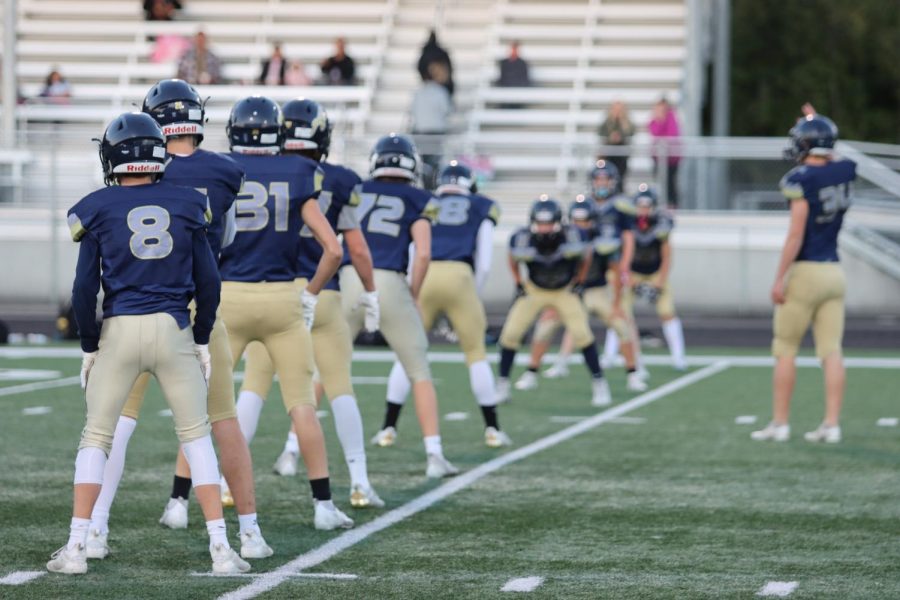



Sports are a pivotal part of many of our lives. From the ages of 5-18, almost everyone has tried something in the athletic world. Those gifted in that department typically decide to go farther with it, with the ultimate goal of the pros. After youth sports, comes High school, college, then the big leagues. College sports are huge in the U.S., with some fans being more passionate towards their school than their local team. This fame brings many to want to profit off their name and brand. That’s where NIL comes in.
NIL stands for “Name Image Likeness” and refers to the rights a collegiate athlete has to their name and image. The National Collegiate Athletic Association, or NCAA, was previously extremely strict on these rules, preventing athletes from any monetization or brand deals until 2020, then reinstated their laws back in 2022.
NIL brings a lot of controversy. Some think it prevents athletes from capitalizing on their brand, while others think it pressures athletes into worrying about deals. These differing opinions come from individuals around the spectrum. Whether it’s athletes, coaches, statisticians, or fans, everyone has reasons for why they believe what they believe.
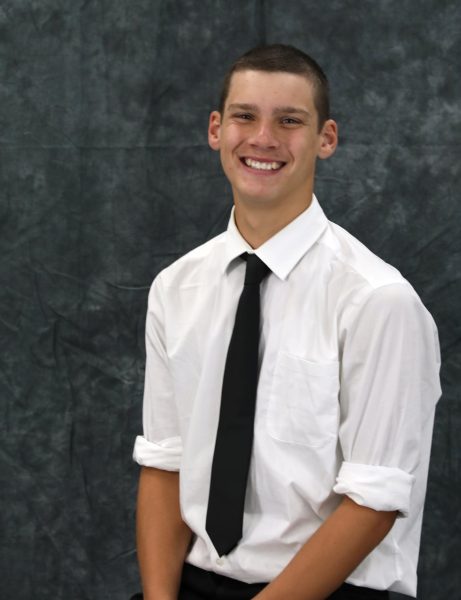
“NIL is overall a good thing for college athletes, but I think there are some things that worry me and a lot of other people.” said football line-man Jake Metz (‘29). “Kids are finally getting paid for being on national TV but also NIL heavily favors schools with more money.”. Anything involving financial benefits should be universal and just. If some get an advantage, lower budget schools will never be able to crawl out of the trenches.
“I think it’s great,” said athletics coach Judd Hunter. “ athletes can make money while in school.” Everyone is always poking fun at the “broke college kid” stereotype. If athletes can get away from that generalization and start profiting off their success, it has the ability to build a path for more growth later on.
Track captain Collin Gainer (‘26) said “NIL could be a great tool and incentive for athletes… NIL is very hard to regulate but it also gives the opportunity for athletes who may not make it to the next level to have something to take home.”. The obvious dream for every college athlete is to make it to the pros. Realistically speaking, less than 2% of collegiate athletes will make it there, according to NFHS. Allowing athletes to profit off of their image while they’re still relevant can bring them long-term success, even after their athletic careers.
Hunter mentioned how all kinds of groups benefit from NIL, including athletes, schools, donors, etc. This is important because it highlights how NIL isn’t just black and white. It’s got a large gray area that benefits some aspects while staying neutral with others.
Metz explained how “the bigger schools benefit a lot from NIL but it could put donors in a tricky spot… that could mean less donors and less money going to the school in general.” Donors have all different kinds of motives for donating. When donors know that they’re only inflating the larger schools, it starts to create a divide between divisions.
“Currently the biggest beneficiary of NIL is those who can spend the most money which keeps the programs squarely where they are.” Gainer said. Not only is NIL boosting already wealthy schools, it’s also rewarding those who know where to put their cash. Proper financial literacy then becomes a strength within the collegiate world.
Both Metz and Gainer seem to be in agreement when it comes to talk about a salary cap for certain schools, which contrasts Hunter’s belief for no limit whatsoever due to the improvement in collegiate money-handling skills within the programs recently. The big universal agreement is that no athlete should personally be limited to a fixed quantity of earnings.
With all factors considered, the dilemma surrounding NIL isn’t one that has a distinct answer of right or wrong. I personally don’t think the system is perfect. There are so many different aspects and ambiguities that surround the topic. I think that as time goes on, agencies will figure out what works and what doesn’t, and the NCAA will continue to clarify and patch up any vagueness. Metz said, “I don’t think this would fix all the problems, but it would be a good first step.”