























It’s 1990, Duke is playing Connecticut in overtime, down by one with 2.6 seconds remaining. Christian Laettner gets the pass from the sideline, dribbles to the elbow, puts a shot up, the buzzer goes off simultaneously with the sound of the net. Duke wins 79-78 on a buzzer beater.
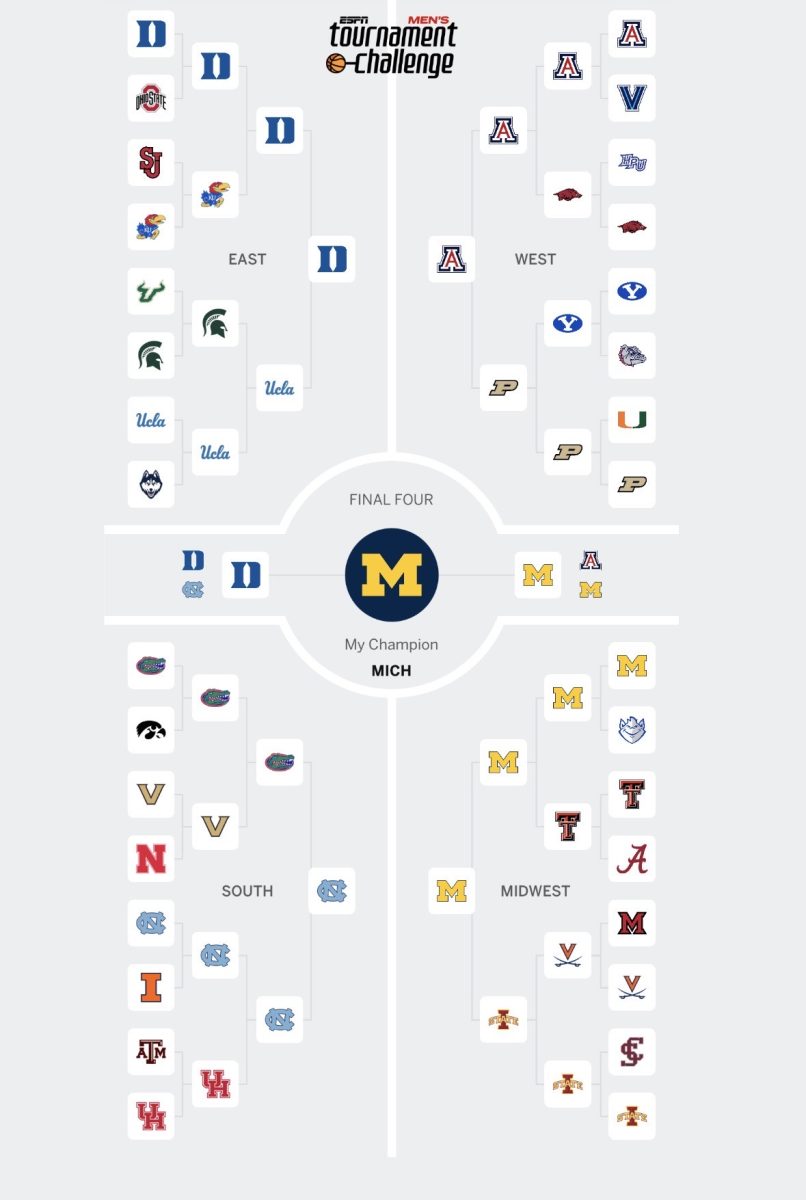
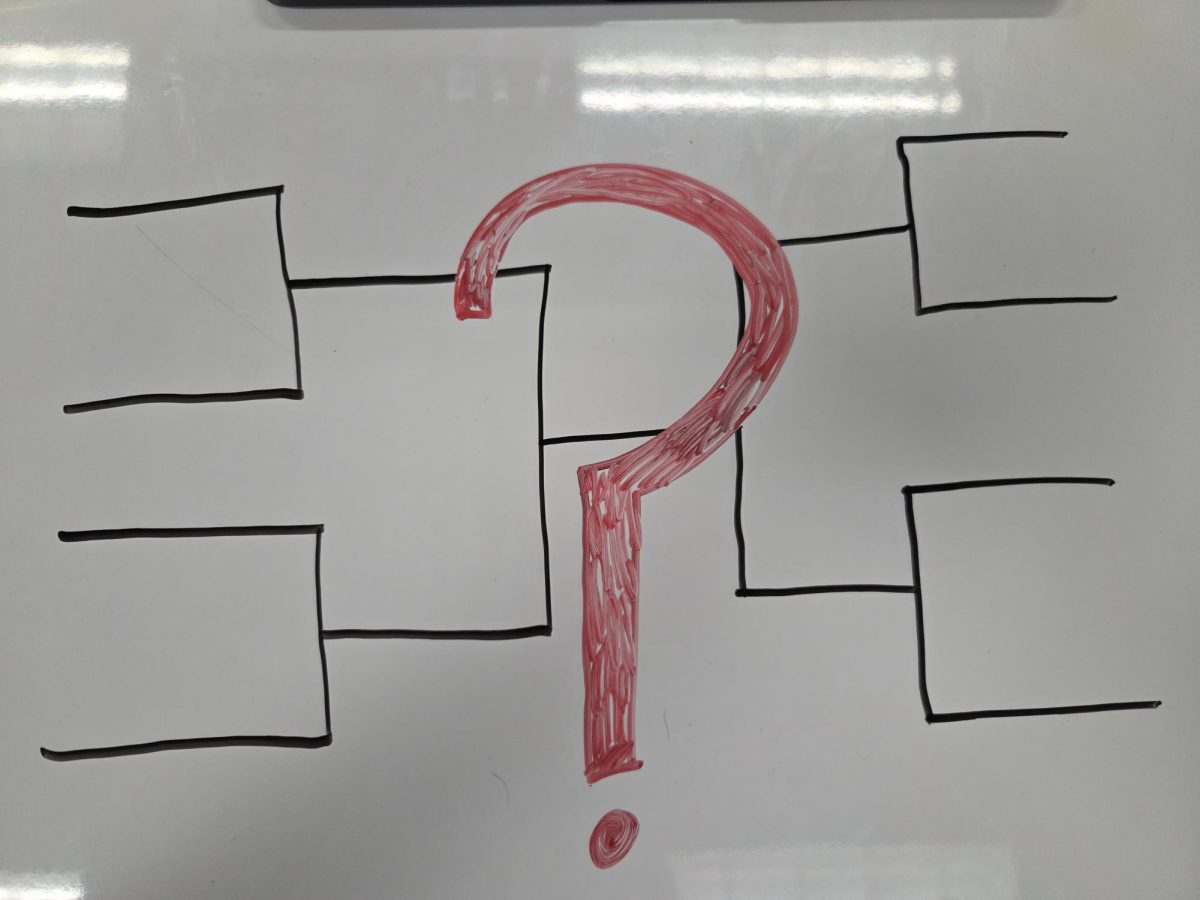
There have been a ton of other historic final shots and legendary moments in the history of NCAA Basketball, but they all seem to gain publicity in one event. The March Madness tournament, where 68 NCAA teams compete for their school to be crowned the National Champion.The one thing that makes this tournament so special is the tradition of predicting who college basketball fans believe will win. The question remains, where did this tradition come from? Has it always been around? Or was it a recent thing?
The first ever NCAA tournament began in 1939 with only 8 teams. Then in 1975 the tournament expanded to 32 teams. The first known bracket challenge however, began in 1977 at a pub in Staten Island named Jody’s Club Forest. With a $10 entry fee and only 88 participants as well as plenty of local publicity.
In 1978, a man by the name of Bob Stinson was a postal worker in Kentucky who also created his own bracket competition. He modeled the Kentucky Derby betting slip and a recreational softball league bracket style to home the look we all know and love as to be the March Madness bracket. But there is no definite start to how the bracket tradition started, it has gained so much popularity that even people who don’t even watch college basketball fill out brackets just for the love of the game.
What has drawn so much publicity to such a seemingly simple and basic competition is the fact that March Madness is so unpredictable. Sure, higher seeded teams seem to do better than the lower seeded ones, but they don’t call it Madness for nothing.
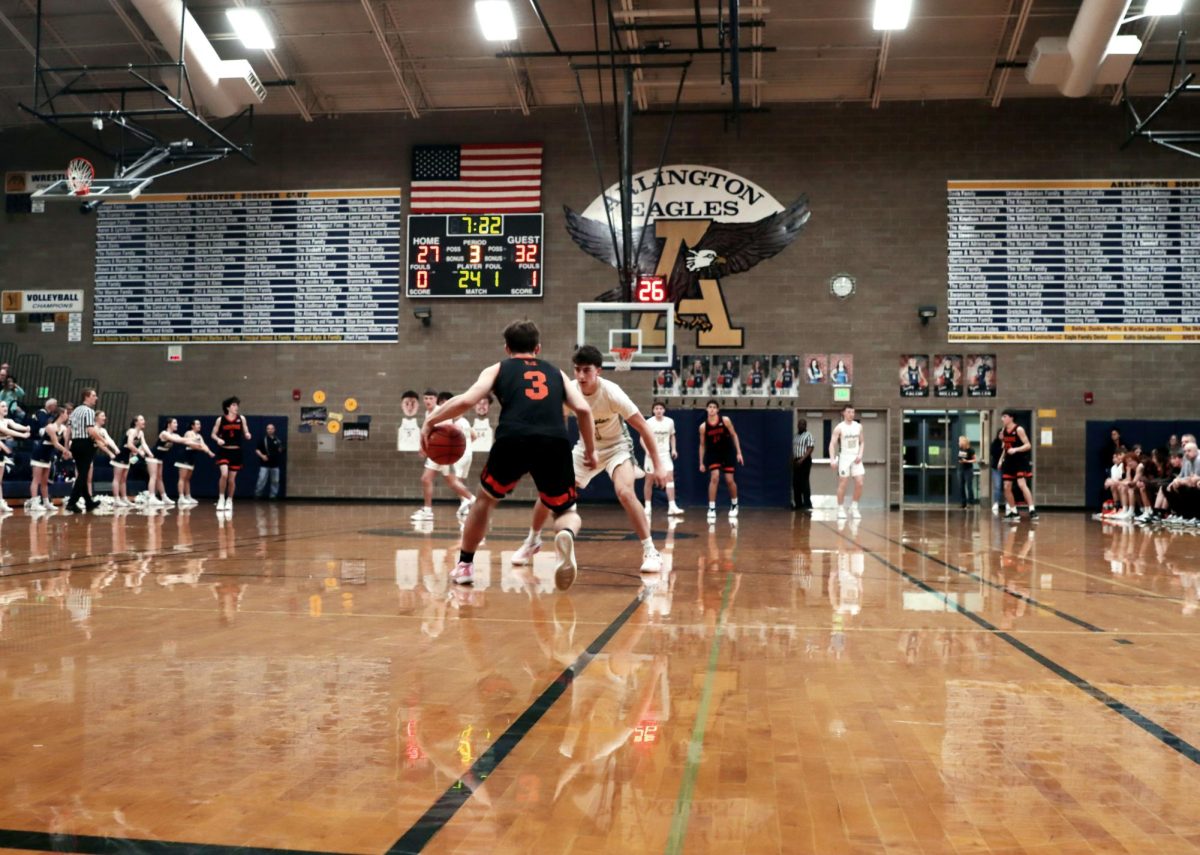
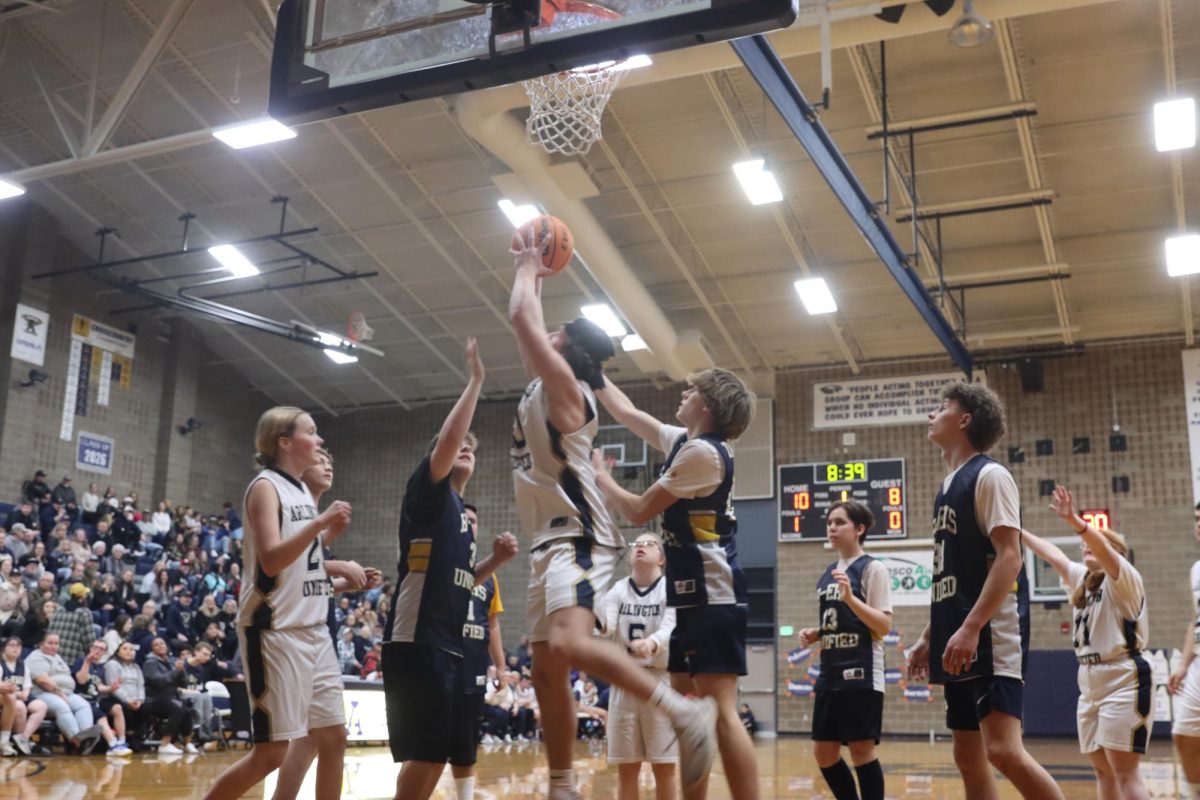
“I chose all the worst seeds one time” said Arlington basketball player Will Nations (‘28). Nations explained how every year for the past two years, he meets with friends at Buffalo Wild Wings to watch games. March Madness not only brings us together, it creates great memories for witnessing upsets and low seed victories.
UMBC was ranked No. 16 and beat No. 1 ranked Virginia in 2018, and No. 15 seed Saint Peter’s made a historical run to the Elite Eight, or even Oregon State’s recent run as a No. 12 seed. As much as the occurrences are slim, they are most definitely possible.
Because in basketball, there are no overpowering offenses like in football. But the higher level D1 teams seem to have stronger talent, which is why most of the lower seeded teams don’t make it as far. But this popular name of “Busted Brackets” and watching a 16 seeded team make a Cinderella run draws audiences in. Which is also the reason there has never been a perfect bracket created no matter how many are made.
There is a 1 and 9.2 quintillion chance someone has a perfect bracket and it’s all thanks to these smaller schools playing well and beating higher ranked programs. This way, fans who fill out brackets have always got to take a risk, do their research, and pick an upset game.
Around 35.6% of 12 seeds beat the 5 seeds in the first round, as well as 11 seeds beating 6 seeds around 38.75% of the time. So chances aren’t none, but smaller. They are the most common of upsets for the first round. Historically, teams like George Mason who beat Michigan State in 2006, or Loyola Chicago in 2018. These upsets are common, but not common enough to not be known as like said before, upsets. So the real question is if these ranks really actually
Evidently, the March Madness tournament bracket has been a widely known tradition throughout all of America, and whether or not someone watches college basketball, the filling out of a bracket does not only consist of those who know deep knowledge of the game.
The battle for the college basketball national championship is always one of the biggest events of March, and from what started in the 70’s as a pub event with locals or a postal worker that created the bracket we all fill out today. The dense tradition will live on for years to come, and the memories, upsets, Cinderella stories, and buzzer beaters will be embedded into our heads just as much as when our brackets get busted by the lower seed.