

















































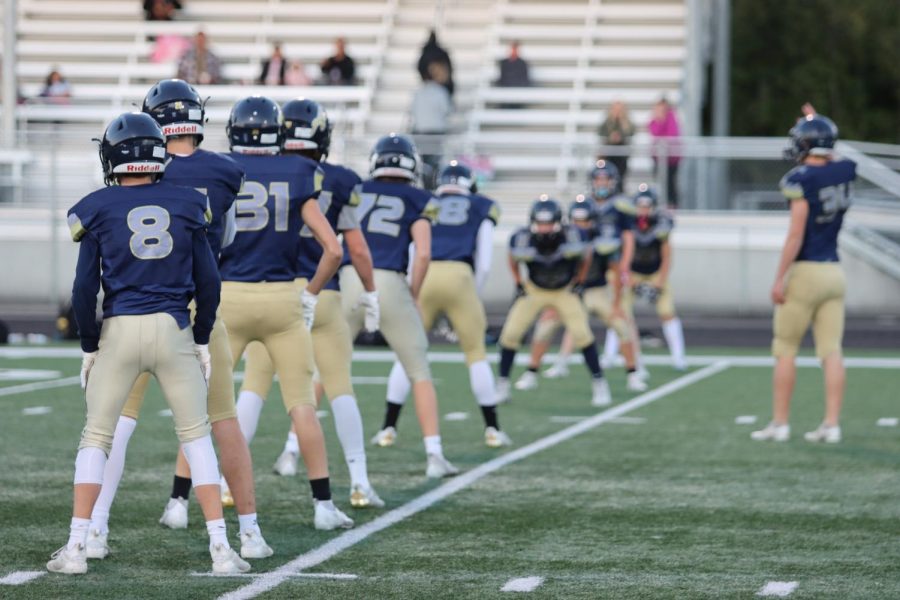



Baytown Lee High school during the year 1994 in Texas made an extension of flag football that included an all-passing, non-contact, and no pads game. It is now known as 7-on-7 football. It was at first used as a summer training passing drill designed to help Quarterbacks understand defenses a little better in simpler terms, and improve offensive strategies. But it recently has picked up more momentum, in its slow grow into the lime light.
With teams coming together, traveling throughout their state, nation, and world. It’s safe to say that it has become its own sport. Not only that, colleges have even used it as a way to recruit and scout players who are fit for their system. The only issue is, it isn’t tackle football.
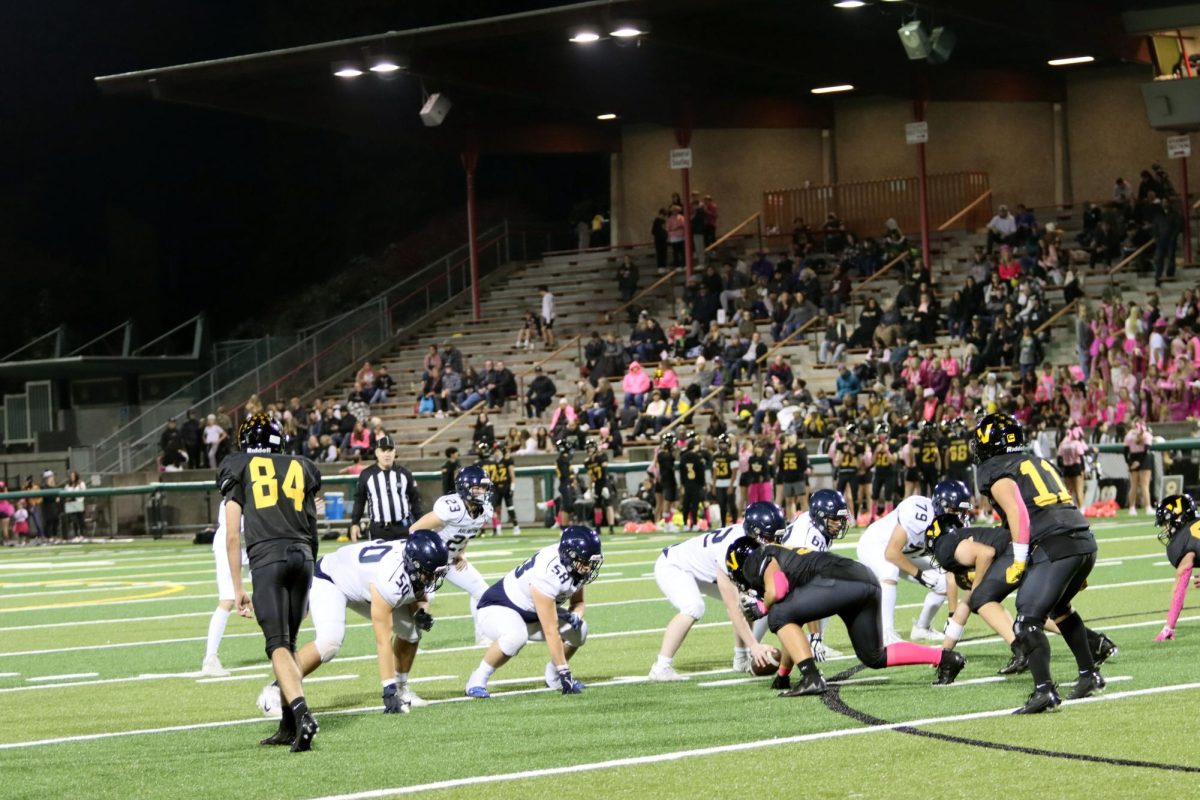
There are no D-Linemen trying to sack you, there is no fear of getting tackled or blown up, with there being no contact, it’s easier to perform more crazier and acrobatic moves that most likely wouldn’t work on a real football field. With that being said, how does this vastly growing sport affect American football? Will its popularity eventually push it aside? But lastly, is this good for football athletes to be participating in?
“I think it’s a great sport, it’s different from 11v11, but still really fun,” said Football Coach Judd Hunter at Arlington High school. “It’s great for receivers and QB’s to work on memorizing routes and to work on timing,” said Hunter.
It is very similar cost wise to other travel sports, such as Baseball, Soccer, and AAU Basketball. Ranging from roughly from $3,000-$5,000 including travel and other expenses, it is almost impossible to see it differently from the common “Travel Ball” like atmosphere. The only difference is that it is not tackle football, as said before. It’s a non-padded 7-on-7 game that has turned over 90% of coaches away.
Head Coach David Shaw of Stanford University Football team was quoted on March 4, 2016 saying 7-on-7 is “Not football” and that he has “Never watched a 7-on-7 film”. Shaw also explained how he thinks it’s good for players to do it, especially with their [high school] teams.
Shaw then said “I need to see them with pads. I need to see the quarterbacks with pass rush. I need to see the receiver catch a ball over the middle and get hit and break tackles”. He then made it very apparent that he won’t ever talk about recruiting and 7-on-7 in the same conversation.
“That’s what our coaches teach us to do, to be ready for the tackle season” said Caesar Acero (‘27), a 7-on-7 player at Ford Sports Performance in Tukwila, WA. “You can get pretty physical with it too, which is why it’s a pretty good way to get ready for tackle,” said Acero.
On the other hand, some players and coaches see it as a way to “Do what they want” in football. For example, according to a story on Bleacher Report by Michael Felder in 2013, Matt Sokol was a Michigan State commit as a tight end. He was also an avid 7-on-7 athlete in the Michigan area, but was posted as unranked on recruiting services and still had 3 Big Ten school offers. Was he a hidden gem, an under the radar stud?
Or was it because of his 6’5” 225 lb stature, and quarterback position on his high school team. In his veer and shoot offense, he shows plenty of running and throwing skills. But the size is what stood out, and getting to play tight end in 7-on-7 got that exposure he needed to get a D1 offer. Without the help from it, could he have even gotten the exposure he needed to commit to Michigan State?
“I don’t think [7-on-7] has any impact on recruiting at all,” said Hunter. “I’ve had multiple college coaches tell me that they don’t even pay attention to any [7-on-7] games let alone recruit players from it,” Hunter said.
The larger problem that comes up is if this will ruin the great sport of football. The flash and swag that these players portray are great for social status, but is it leaking into the play of Professional Football? Players showing up in flashy gear like pink arm sleeves and $200 gloves.
Now, it makes players look like top tier athletes, but is it too much? On a video shown by Elite Football Academy’s Instagram page, players were shown finding cameras after they score to celebrate, or wag their finger at an opposing defender. As much as it shows the excitement and emotional side of the game that the youth loves, could this be toxic behavior that leaks into professional football?
The reps however, can not go unnoticed. Increasing the chemistry between QB’s and WR’s, as well as numerous chances at live scrimmages that solely focus on the passing game. As well as man to man defense, and reading Quarterbacks eyes when in pass defense. As it shows, this is a great way for football athletes to see something as close as they can to a live scrimmage, without the worry of the wear and tear on their body.
“I honestly find they’re both equally as fun,” Acero said, after being asked which sport he liked better. “I love to play them both, it’s just fun in general. It’s football” said Acero.
Ultimately, it comes down to luck, and that’s what it always is in the world of recruiting and getting noticed. Mickey Mantle got noticed playing a pickup game in his neighborhood ball field when he was 18. Kurt Warner played for an Arena ball team before making the Rams. It all boils down to being at the right place at the right time.
7-on-7 is a great way for athletes to find their way into a collegiate system in some cases, but with so much controversy and coaches turning away from it, it could be its own risk within the bigger picture of recruiting. The flash and speedy game play correlates to an important part of the game, but are the reps and film of that part of the sport enough to say someone is College Football ready?
“The only issue I see, is when football players don’t turn out for other High school sports because they are focusing on [7-on-7] football. They are missing out on a great high school experience by playing multiple sports. Learning things in other sports will help them in football” Hunter said.