













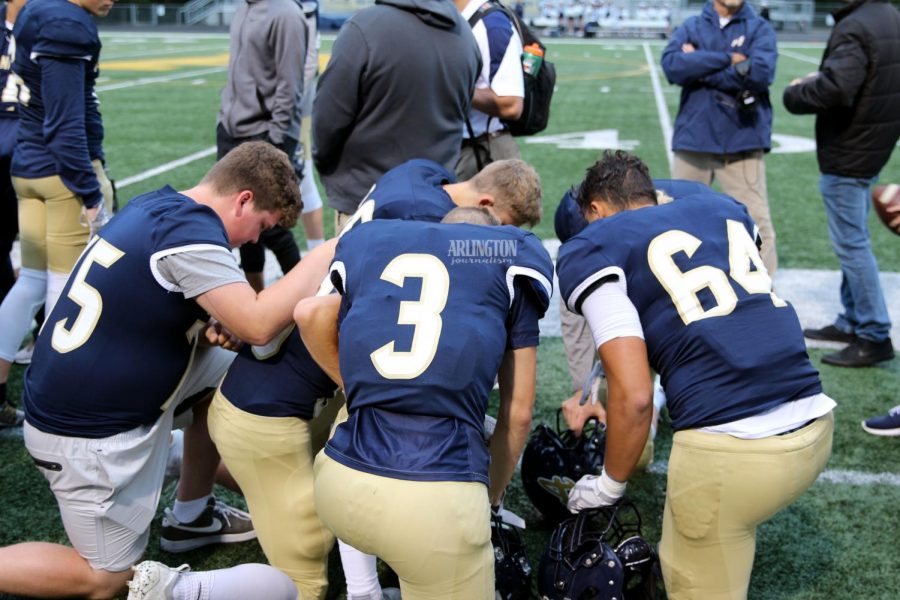
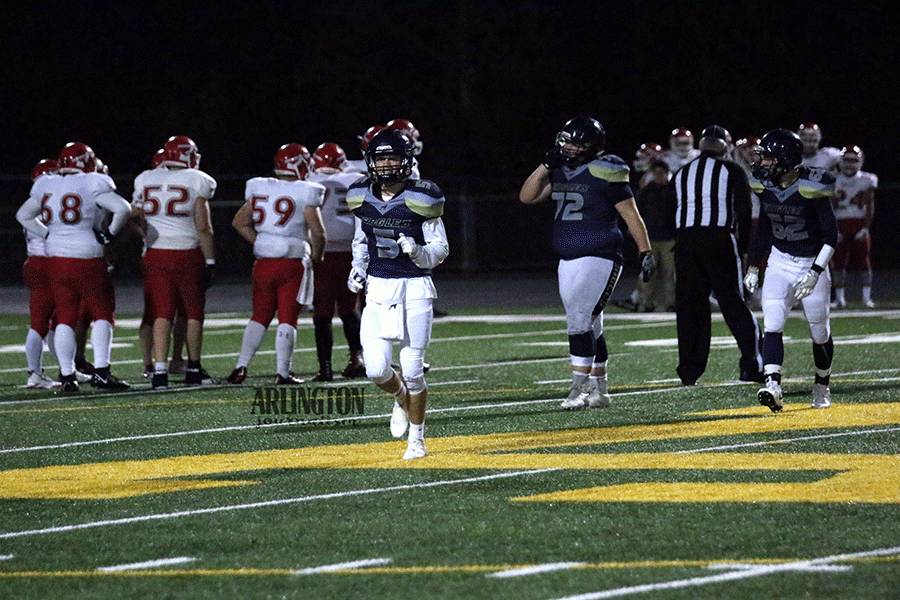
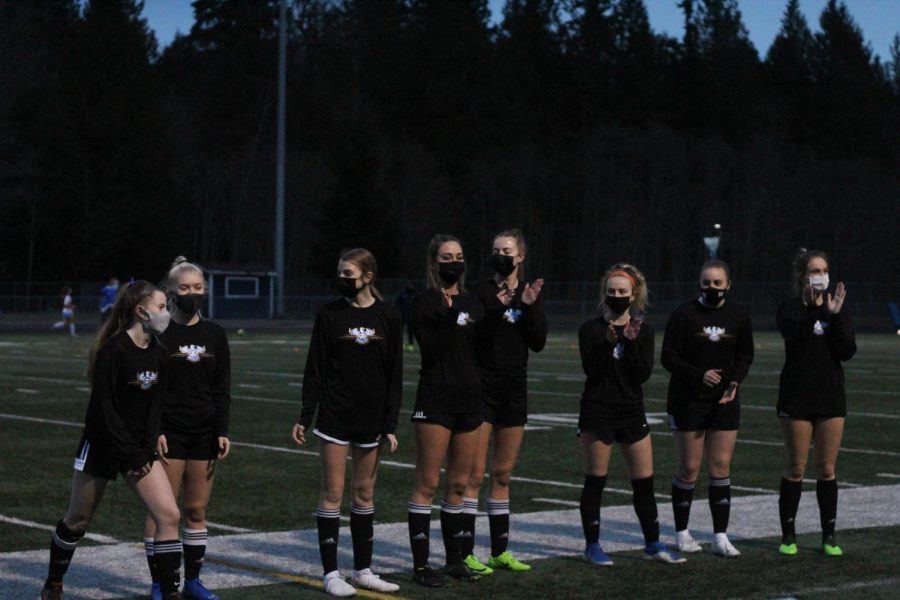
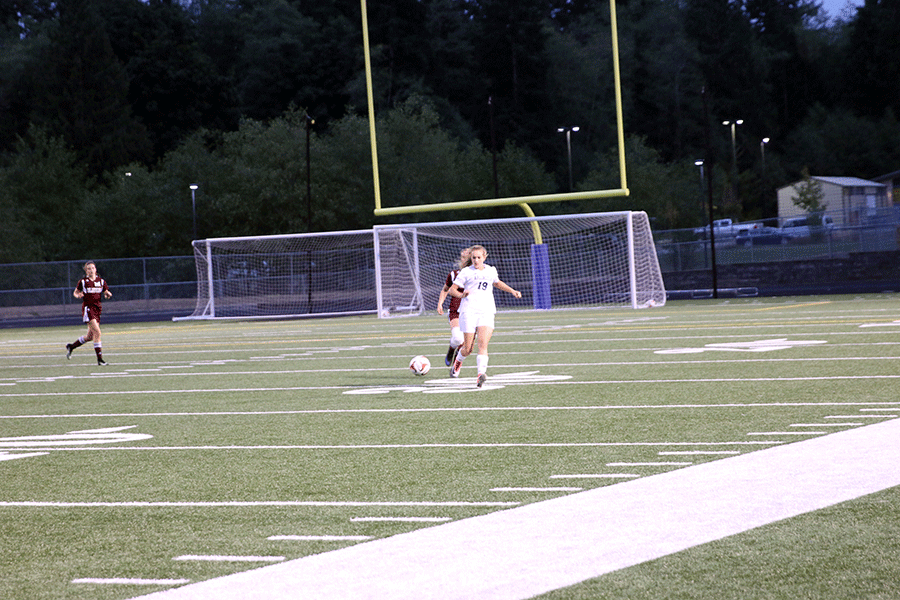

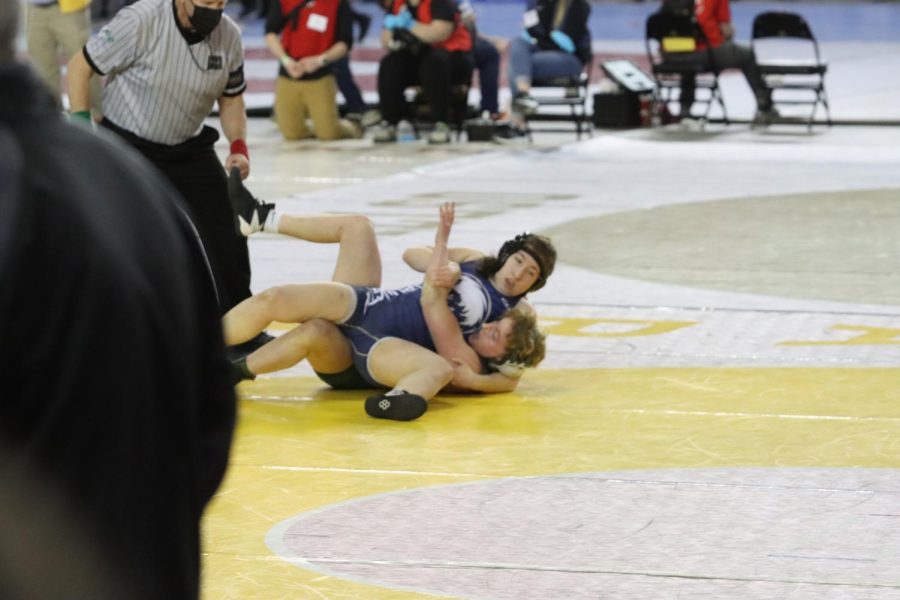
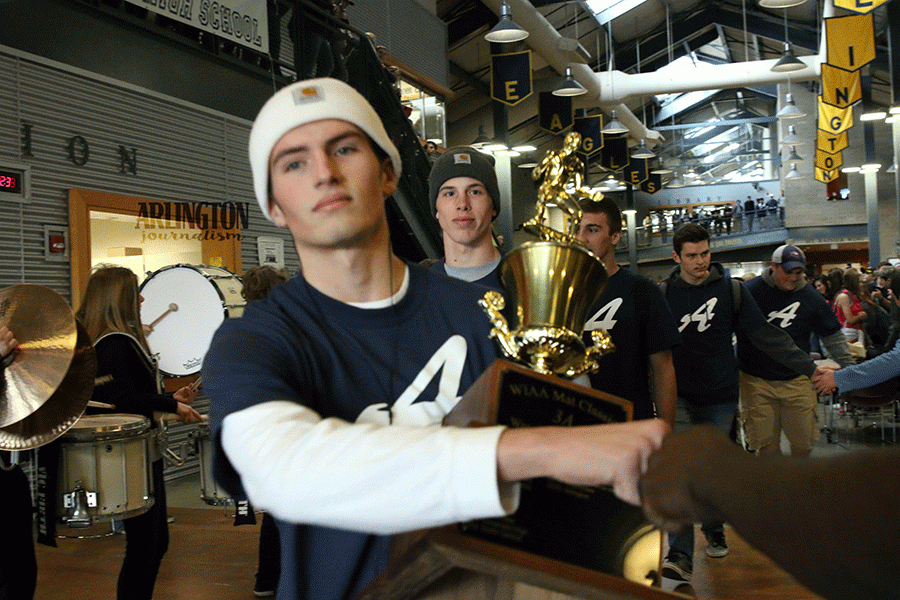

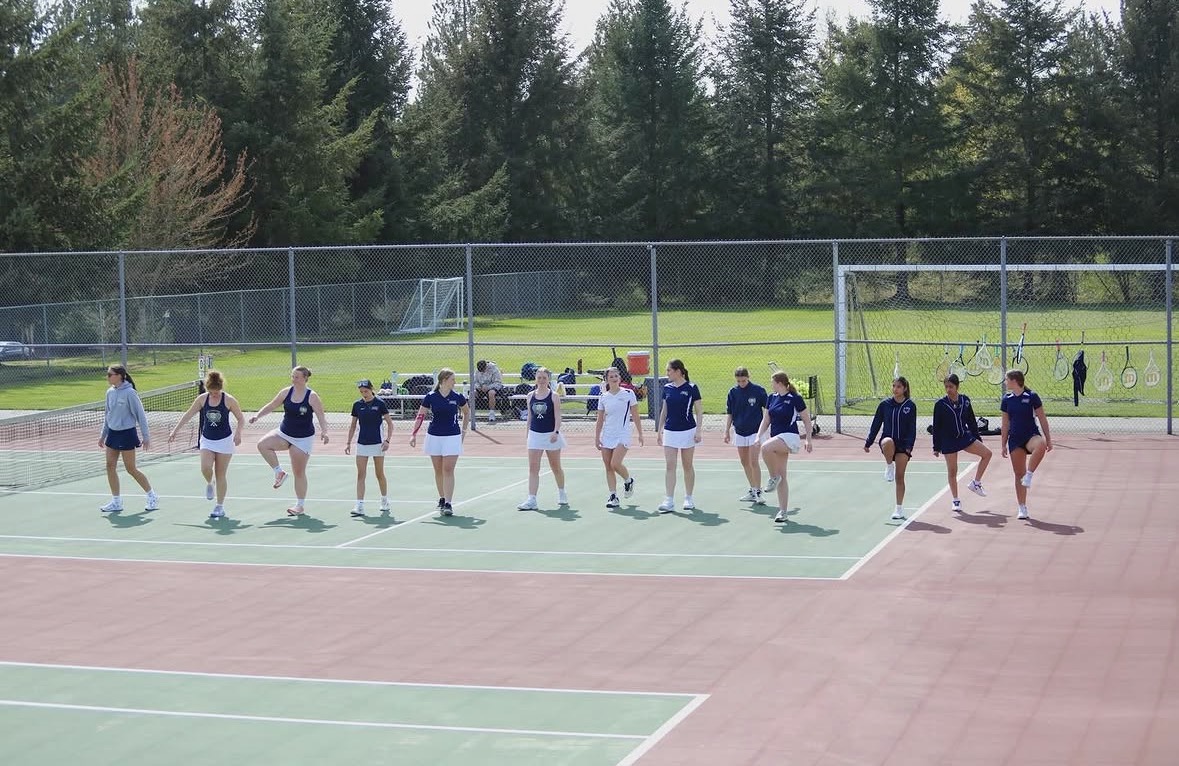

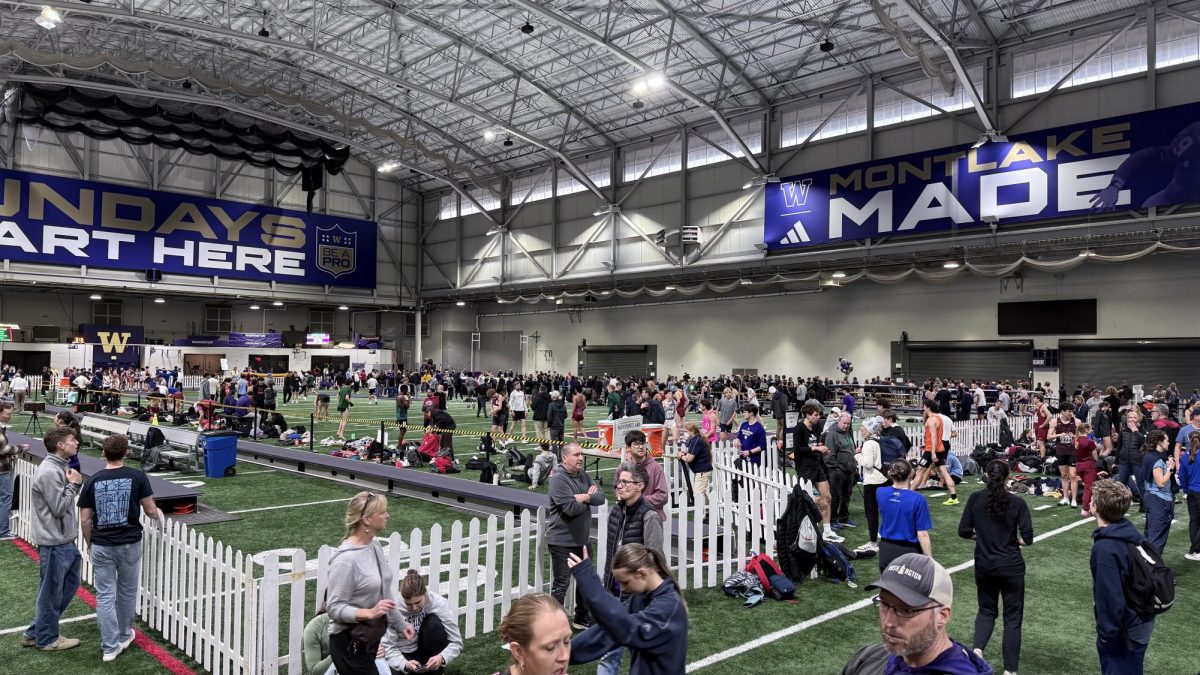













For student-athletes, they dream of playing at the next level after high school. Many students are learning the ropes and taking steps to get noticed by colleges.
College recruiters often look for consistent performance both on the field and in the classroom. With scholarships referring to GPA and eligibility, the importance of academic responsibilities are emphasized in the recruitment process. Students create a profile that highlights athletic and academic achievements showcasing how being a strong student in and outside of a sport allows their qualities to stand out.
“You know, what a lot of kids find out is that there are a lot of athletes that have the same athletic ability. And what differentiates those who get scholarships and don’t get scholarships is being able to do the scholarship work. Grades are super important when coaches from universities come and start looking at student athletes,” Tom Roys Athletic Director said.
The academic dynamic is a crucial factor for student-athletes that are hoping to compete at that college level. High school teachers understand this and provide help to teach students how to write professional emails to reach out to college coaches. This helps get the student ready with the tools they need to engage with college coaches effectively.
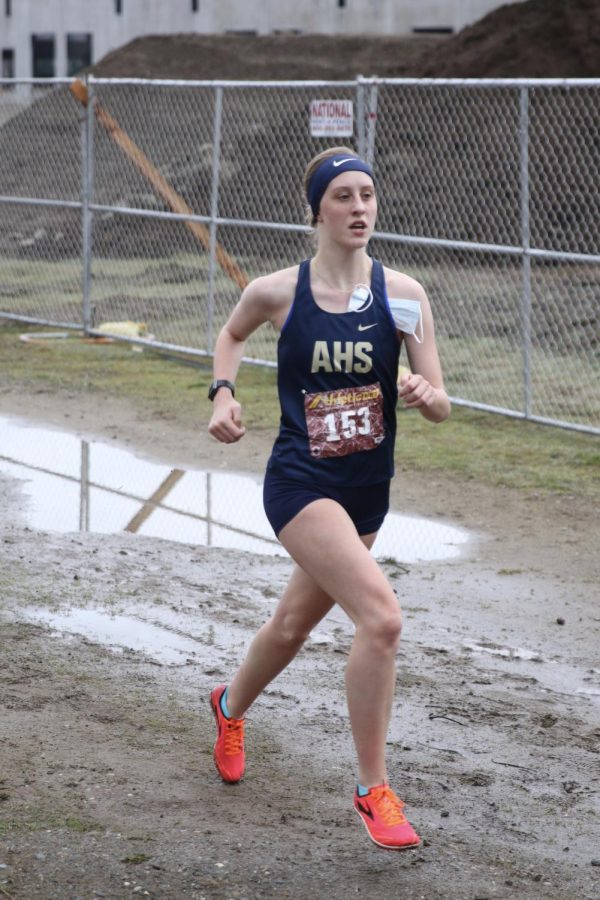
“For instance, one thing I help my athletes that want to run in college is I help them write an email. A short email,… stating who you are, what your intention is and what you want, and then asking for information back,” Jonathan Murray Cross Country coach said.
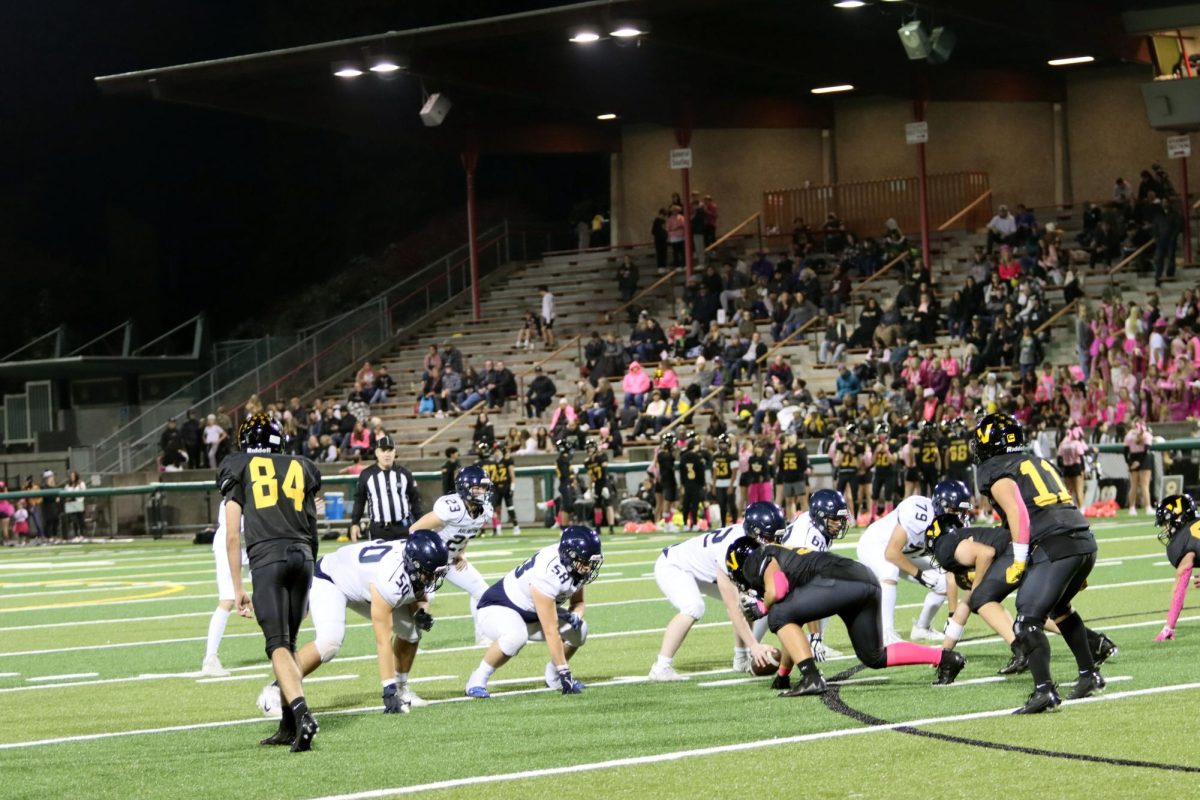
The process of getting recruited by colleges requires a proactive approach from student-athletes. The strong idea of communication and clarity when reaching out to coaches is very important. Being able to show both you as a student and as an athlete shows your character. While emails bring a good sense of information about an athlete, there’s more to it with connection. That is why colleges and athletes are turning to video to showcase their story. A video highlighting them in their sport, showcasing them as an athlete and team player.
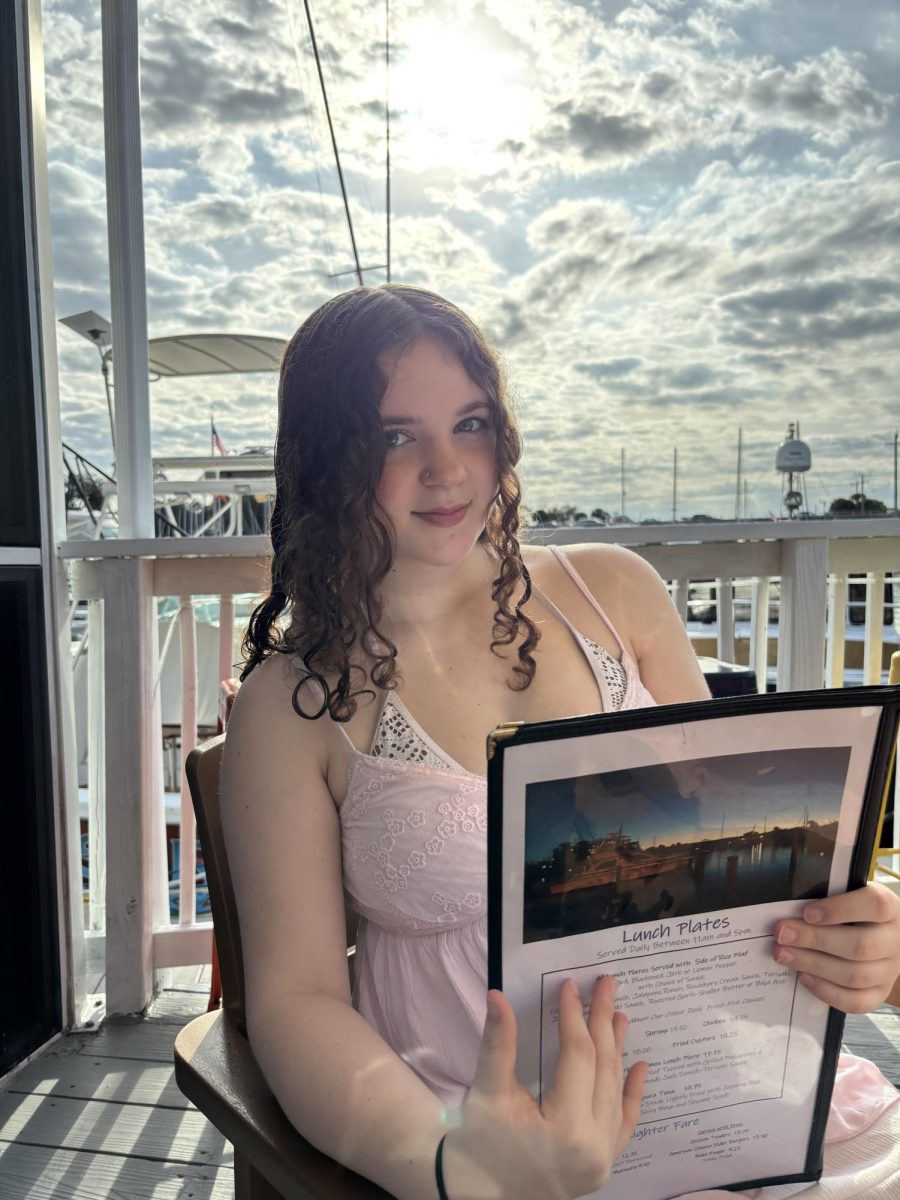
“You definitely have to start reaching out and make videos and send them to the coaches,” Emme Shaffer (‘26) said.
Coaches and athletes often reach out at different stages of their high school career, this depends on their sport and division. Some programs begin making contact earlier, while others wait until a student’s junior year to start conversations.
“It’s different for every sport, but it depends on the division too. You have to wait until you’re a junior, I think. But then, I started reaching out my sophomore year” Shaffer said.
Choosing the right college is another significant decision for student-athletes. Factors like academic programs offered, coaching staff, and team culture are all aspects that every student-athlete should look for. Every student should ensure that programs at a college align with their interests and future plans.
“You got to pick a school that if the sport breaks up with you, meaning you can’t compete anymore for injury purposes or you don’t make the team, that you can still see yourself going to school there and finishing out your degree,” Murray said.