






































Physics is a fundamental part of life, it acts like a force and moves without cause. Many students at Arlington High School take part in being educated on the fundamental forces of nature.
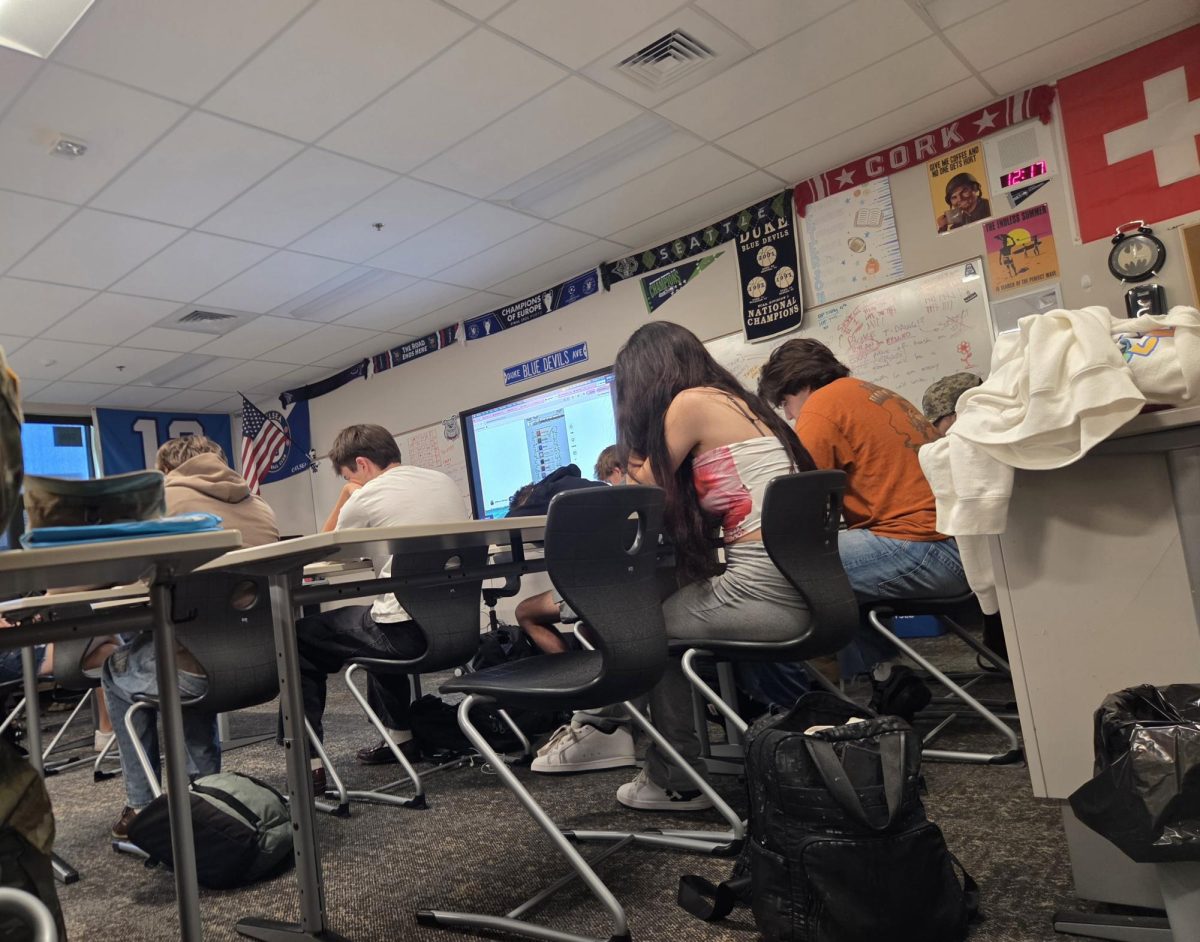
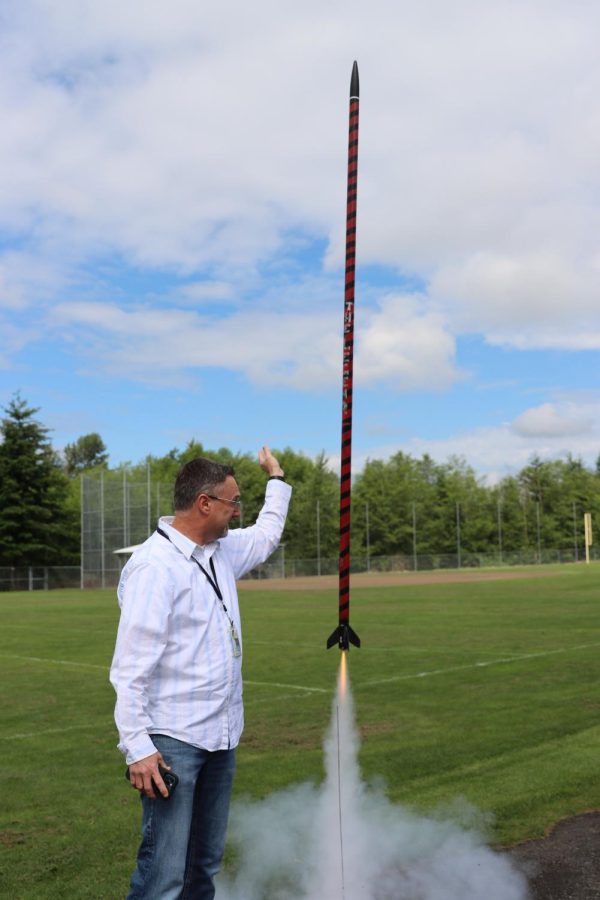
At Arlington high school a common course to take is physics, especially for upperclassmen because it builds off the basic understanding of algebra. Students show their understanding based on a variety of exercises and projects, such as their most recent one: the mouse trap car.
“I probably spent 10 hours building it, start to finish, including research. And that doesn’t count the time that I spent printing the parts, but I don’t really count that, because obviously I wasn’t the one doing it. But it was probably about 10 or 11 hours start to finish, which isn’t that bad when you consider that I had like two weeks to work on it,” Jason Hopkins (‘27) said, who had the furthest mouse trap car. “The result is usually pretty proportional to the amount of work that you put in…. There wasn’t a lot of luck involved. It was all just up to you building the car yourself. Hard work is proportional to success.”
However, some students knew what to do immediately, while other students initially had some struggles but learned how to process the building stage.
“We had a lot and a lot of trial and error. I learned how much mass, how big of a contributor mass is… Instead of changing around the force, you have to change around the mass and that kind of stuff. To make sure you have a good separation,” Leif England (‘27) said. “We made the mistake of using Lego tires, but those had too much mass, and so it didn’t go as far as we liked.”
In addition, students also worked in groups, helping each other go along the process that some might face alone, while also building bonds within their groups.
“Me and my partner, Nick, we struggled a little bit getting it going and getting the right build to go far enough, but I’d say we did okay for what we built,” Xander Carroll (‘27) said. “Just hanging out with my buddy Nick because I really like Nick and we have good conversations so it was good to build it with him.” Carroll said when asked about his favorite part of the project.
Overall, the project seemed like a success, with many students viewing this as a learning experience while also getting the chance to build connections with classmates, but also a closer bond with their physics teacher Mr. Davis.
Student-teacher relations matter in order for a student’s engagement, with students attributing their success in the project to Davis. “I like Mr. Davis. I feel like he can really explain stuff to where our class averages for tests are a lot higher than normal classes… [The Project] definitely showed some of the things that Mr. Davis had been talking about in class in a real scenario, ” said Carroll.