







































An obituary is published about a famous actor who has simply stepped away from a role. They are not dead. In fact, they are alive and well, enjoying a vacation. This is a common topic of fake news that people have begun falling for more easily than they had in the past.
Fake news has become such a normal part of our lives. As social media usage rates continue to increase, teenagers and adults alike have begun to rely on it for short summaries of events to avoid the hassle of reading an entire article. This method however, is showing the decline in media literacy rates among all ages.
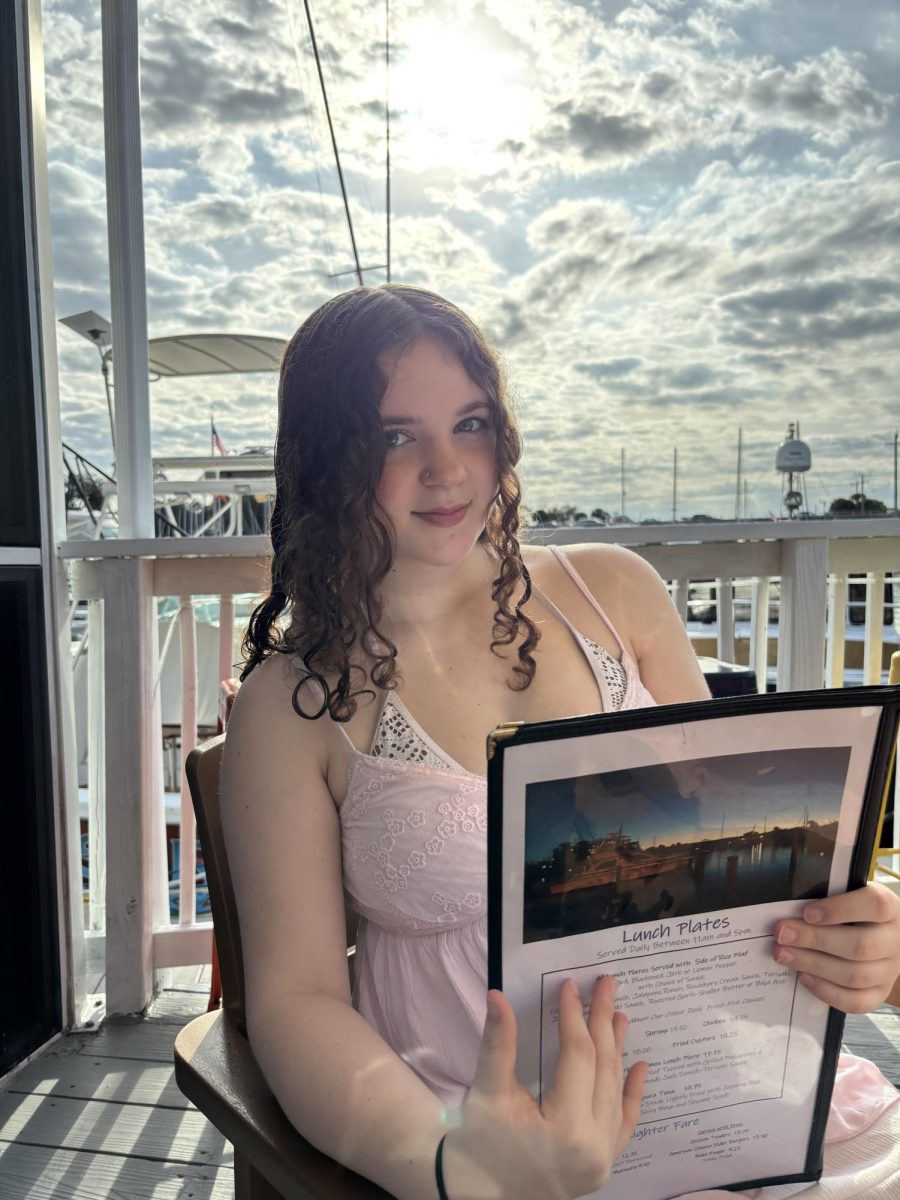
“A lot of people get their news from social media. I mean, including me, honestly,” Aimee Ogden (‘28) said. “There’s a lot of people who will say things. And then there’s also people who will repeat things that they hear on social media,” Ogden said. “And so when people are repeating things, you have to take what they’re saying at face value. You can’t buy too much into it because you don’t know this person and you don’t know how much of what they’re saying is true.”
The struggle to tell whether a source is supplying credible information can also be traced back to biases in the media. Afterall, how are teenagers supposed to tell the difference between fact and fiction, when some only know what they’ve been told by online faces who base news on their own opinion?
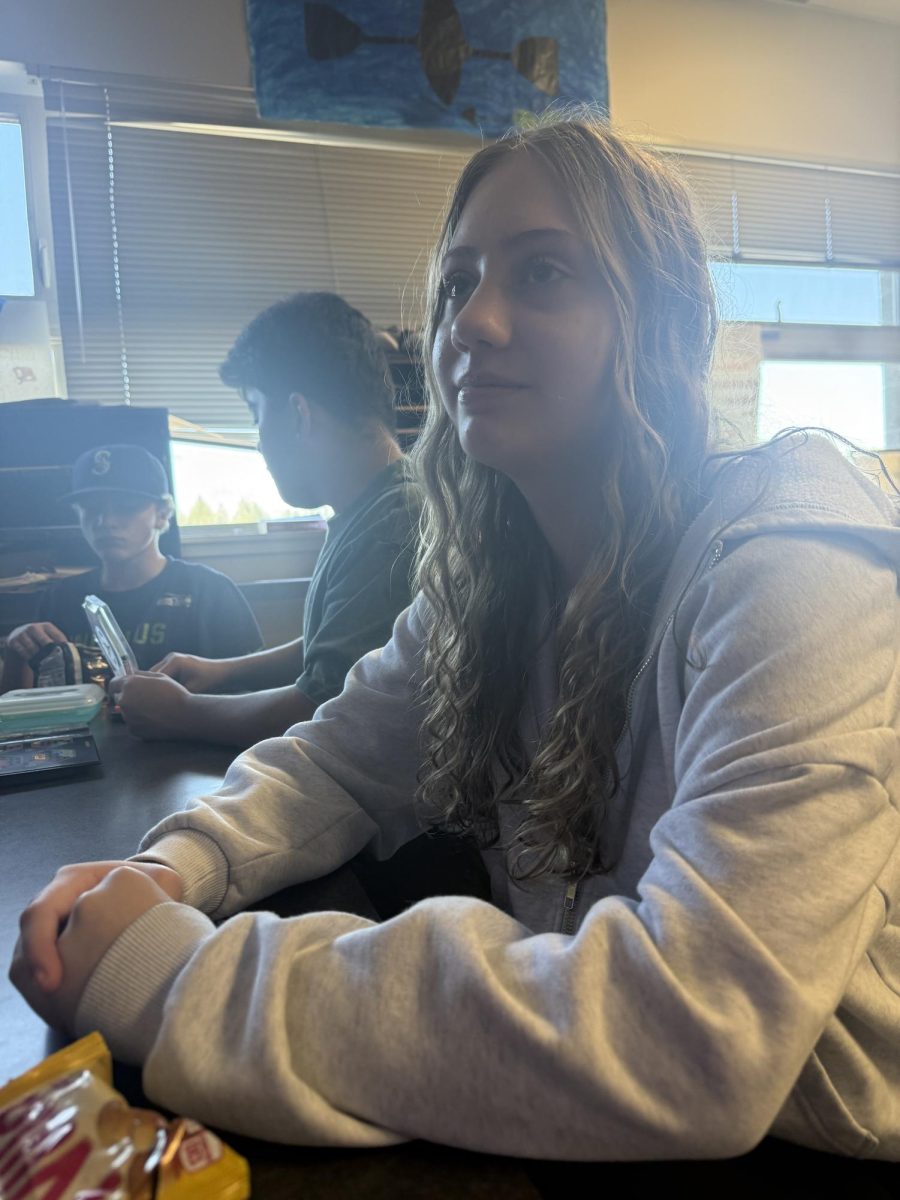
“I’m going to use politics as an example, if you lean towards the left or right, you hear one thing that happened with the right side of politics, all the Republicans,” Alejandra Zamora Santos (‘28) said. “and you’re just like, oh, I’m with those people,” Zamora Santos said. “Like, yeah, that’s something good that’s happening, but you didn’t actually fact-check it, and you just think that’s what’s happening. And then you go and hear something about the left side and how they did this one wrong thing, and now you’re all up on them,” Zamora Santos said. “Your bias is totally off.”
Adults are often looked at when it comes to teaching students about the concept of media literacy and how to tell the difference between real and fake news. However, with this rise in media biases previously mentioned, teenagers are starting to notice fake news on their own, simply while scrolling social media.
“I mean, we’re just at the point now where it’s been for a lot of years where, you know, there’s literally something called fake news because it gets views or because people, it just sort of, it matches up with their worldview and it has nothing to do with reality.” Mr. Ford, the former Media Studies teacher, said.
Now, probably one of the most important contributors to false information and the lack of media literacy, is a very specific type of bias. Political bias.
“One of the central problems is that now, you know, we’re in our siloed left or politically right boxes or whatever, and we follow our followers and our influencers.” Ford said. “… You might look at some good reporting or some actual facts, but you’re looking at it under sort of one kind of political or cultural analysis and you aren’t taking in, in fact, you might just be othering or alienating all these other perspectives.”
With all of the uncertainty and difficulty that comes with learning about media literacy, some have made suggestions on how to implement this knowledge into learning.
“I think in our building leadership and our district leadership, we need to start having a discussion and parents and students need to be having discussion about, you know, is it important to have media literacy education in our schools that’s taxpayer supported? What does it look like? Who should teach it?” Ford said. “… And then maybe even to the state level of, is there a certain amount of credits or some kind of an assessment or educational experience?”
