










































































You’ve been stuck on the same loading screen for hours, coffee getting cold, head getting warmer due to frustration.. Then all of a sudden — a pop-up error appears — your most used app is down!
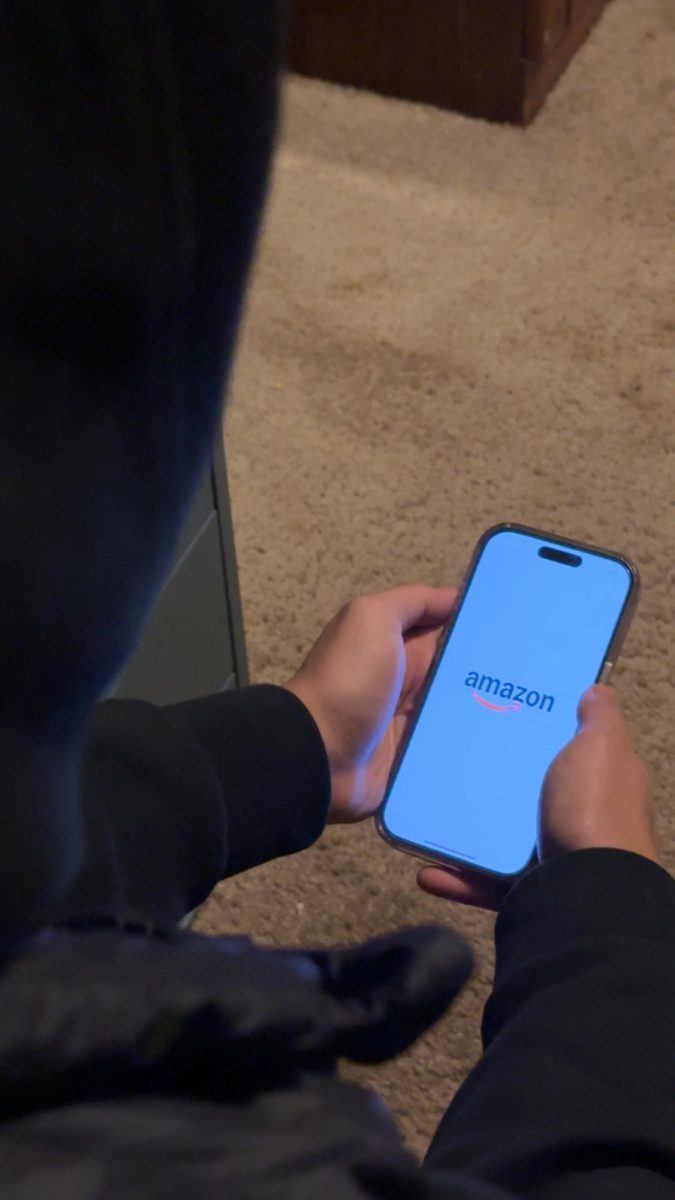
Let’s investigate what happened to these apps and websites, following with what was done to resolve this predicament. Amazon Web Services, or also known as AWS is an app and website hosting provider derived from the company that is popularly known as Amazon, founded by Jeff Bezos.
Don’t underestimate this outage, Josue Orozco (‘27) thought only around 30 organizations were affected by the AWS outage. Another student, Walid Almghezel (‘27) was surprised when he thought it only affected people nationwide, but in reality, it affected people worldwide. According to the CRN Magazine, around 70,000 organizations were affected and had outages — some of these are popular apps including Snapchat, Amazon, and even Facebook.
The root cause of the outage? It is because of a Domain Name System, or DNS issue. According to BBC, this outage isn’t rare, it is actually quite common, and devastating. In simple terms, a DNS is a way that online traffic; such as your own computer or phone, can figure out where to go whenever you click on a link or open an app. As reported by AWS themselves, this DNS failure originated in their oldest data centre plant, located in northern Virginia — they stated this outage occurred because their automated system simultaneously sent information to a server at the same time, this server had important user information in it, so it caused services to go down.
So there are some questions to ask here. Is an automated system realistic? Were there engineers monitoring the system to prevent this from happening? Will AWS still be a reliable source for being a popular hosting provider? Will this happen again? No one really knows the answer except for the AWS engineers themselves and how they will counteract issues like this.
Ultimately, AWS services were restored within 24 hours, apps and websites were back up and running, all is going well now, and it is all thanks to those engineers at AWS who worked nonstop to get their services up and running again. How? According to ThousandEyes, the recovery process extended with four different phases, all in which supported the recovery of AWS services.
In the first phase, AWS engineers identified the root cause, and began sending temporary resolutions to their servers. In the second phase, they began trying to recover anything that was corrupted during the time their services were down. For the third phase, underlying systems were back up and running but there were still some services that had been backlogged and had to be fixed beyond just simply resetting the systems. Lastly, this phase was the most important when they finally fixed most, if not all applications that were affected by the outage; they cleared cluttered queries, reset circuit breakers that were opened because of the error, and refreshed certain systems within their servers.
With Snapchat being affected, students worldwide were affected because you don’t only use it to contact friends and family, you can also have ‘streaks’ with people, essentially, it is something Snapchat implemented to have their app actively used. Tanner Gonzalez (‘28) said he “lost a few streaks” when the outage happened. With streaks, they can go on for minutes, hours, days, or even years – one simple outage will make you lose those streaks immediately. Additionally, when you lose a streak, you have to pay real money to restore that streak.
This AWS outage consequently affected employers and the economy worldwide; Orozco’s family friend who works at Amazon was temporarily laid off for the fact that the systems were down. When employees of Amazon, and employees for other organizations were sent home, it inevitably resulted in a massive revenue loss that Orozco thought only valued “over a few million [dollars]”, but it actually valued in the “billions of dollars,” according to Forbes.