










































Nowadays, politics and standing are becoming increasingly sensitive topics as divisions based on them are very common. The subject gets even more controversial when it comes to the matter of whether or not students should be involved in politics.
Some students themselves believe that politics can be a hindrance to school work or student lives. The mixing of both could possibly become complicated and risk being overwhelming. So, they steer clear of views on the country’s governance believing the right age of involvement is when they legally become adults.
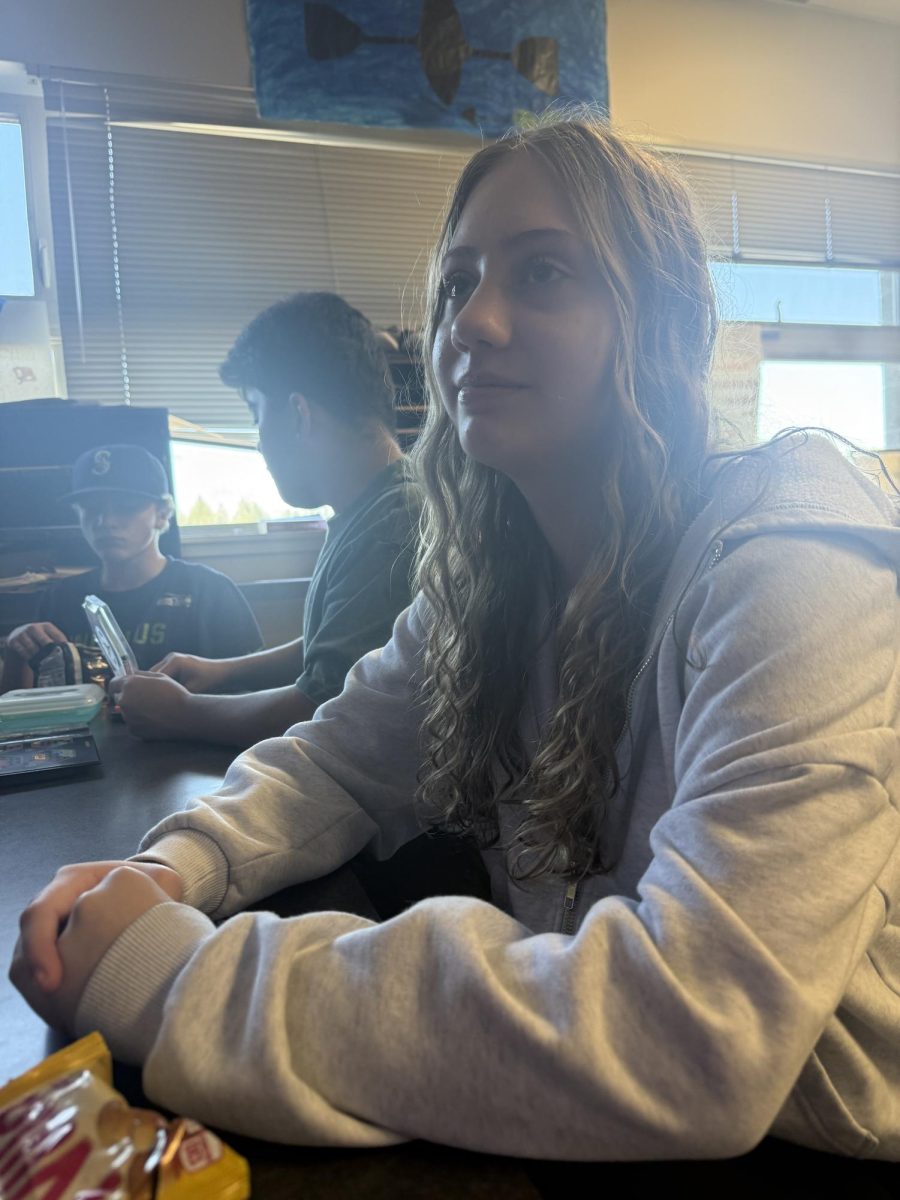
“I think schools [and students] should stay neutral because I think everything just gets kind of weird when stuff gets too political… 18 [is mature enough] because that’s when you can vote,” said Kaden Saddler (‘28).
Now, while some believe student political engagement can be a source of distraction, it can also be a great tool of empowerment for teens. The role that such awareness can play in young lives directly depends on their individual maturity and intellect. Yet, more often than not, knowledge about one’s government and leaders is necessary in more ways than one.
“Students should be aware of the things that are happening in the world, even if it doesn’t really affect them directly,” said Brynnlee Stellar (‘28). “All over the world, there’s different problems. And when you become an adult, you’ll have to know about these things… I don’t see why you should have to wait until the day you turn 18 to finally care about the problems of the world… It’s your right as a person, no matter what age you are, to have opinions and to be aware about what’s happening in the world because it’s your world too” said Stellar.
Not only does moderate political awareness encourage students to critically interact with their environment and surroundings, it can also inspire change. Time and again, we have seen the impact the youth can bring just by raising their voices about the causes they care for.
“You just need to look at history and look at some of the things that have changed because of students. You go back to the Vietnam War and protests going on then. The student protests had a big impact. Look at Little Rock and the integration of the public schools. Those are things that changed the world and the country,” said Rebecca Harkavy, English teacher.
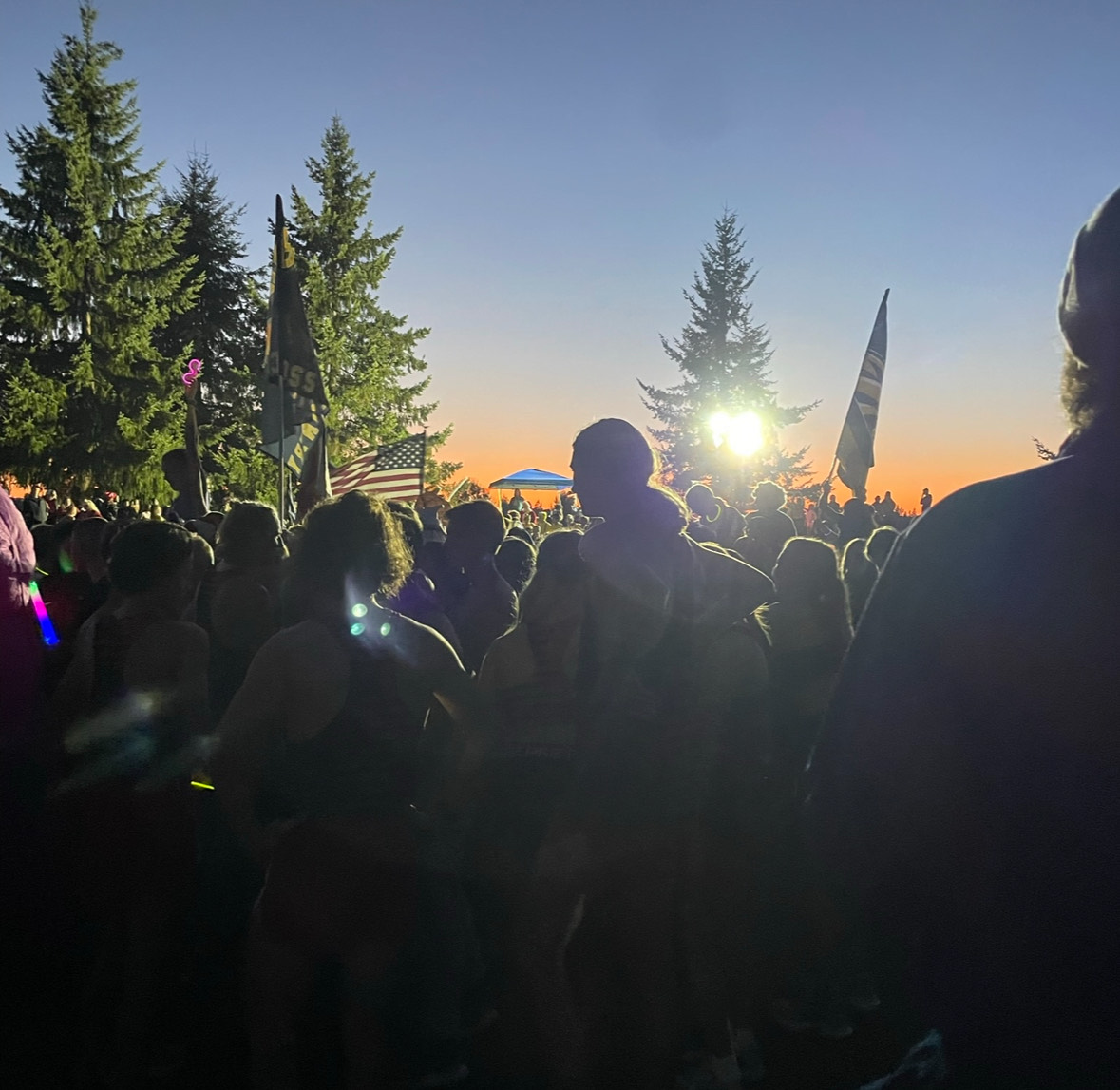
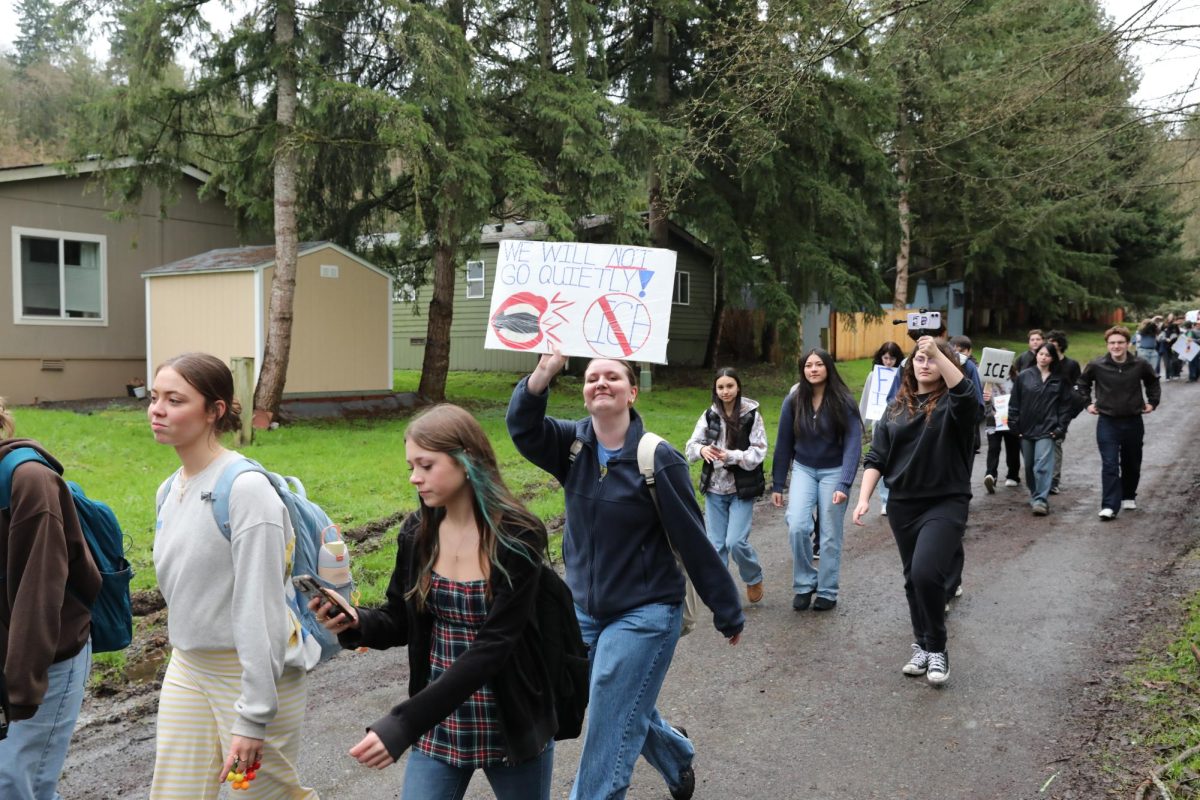
In fact, we have seen a large expression of student demonstration at Arlington High School itself: the walkout that took place on February 2, 2026 to protest against ICE activity. Over 200 students walked out of the school to peacefully voice their stance and exercise their right.
“The whole purpose of the walkout to us was not maybe to make a direct change, but to say to the people who have control over this… that the students are angry about this… It isn’t a direct change, but it gets the ball moving,” said Stellar.
Still, despite the reform these sorts of ventures can bring, one of the biggest reasons political discussions and engagement are discouraged is because of the division they can create among young adults.
Confrontation and conflicts make people uncomfortable. They can be awkward and many believe that they are unnecessary altogether. However, such discomforts are unavoidable when it comes to cultivating a wholly educated and aware future generation of adults.
“I don’t think you’re ever going to have engagement without division. It’s part of why we are this country and what makes us unique and amazing. My father was a lifelong reporter for the Associated Press, and he always lived by this quote… ‘I disagree with what you say, but I will defend to the death your right to say it,’” said Harkavy.
