




































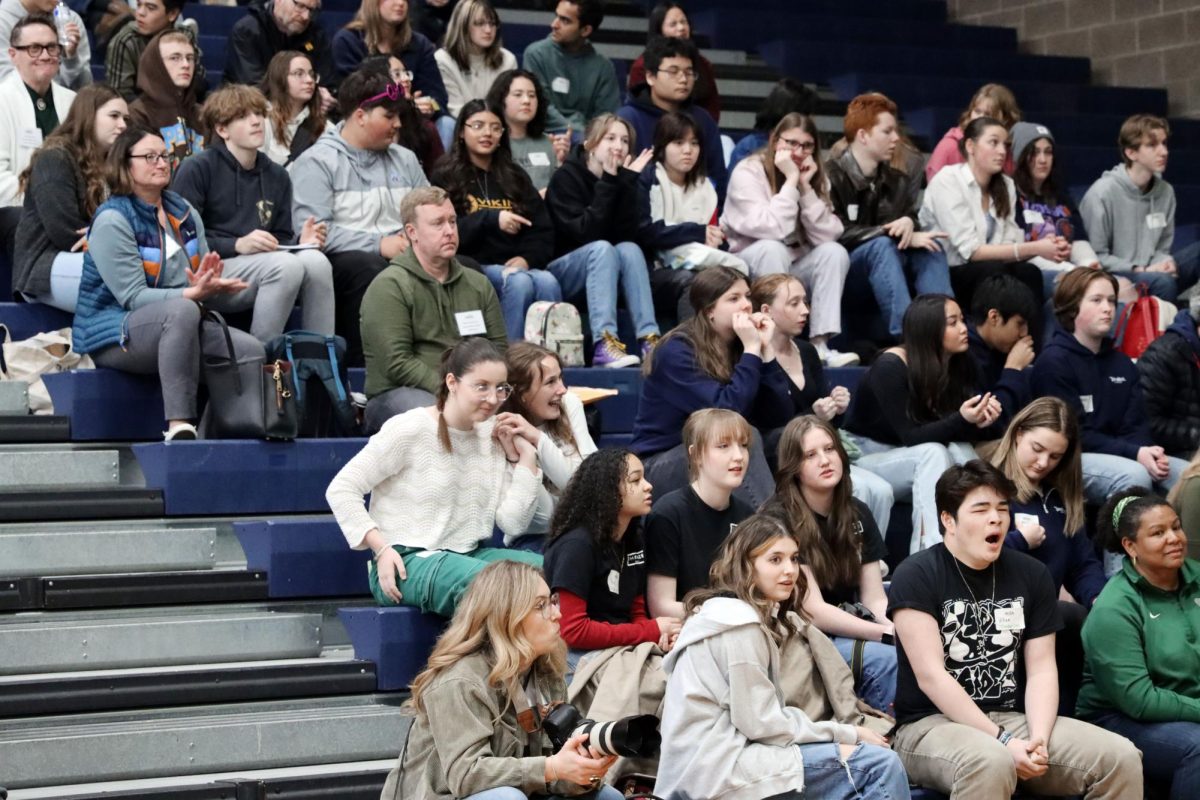













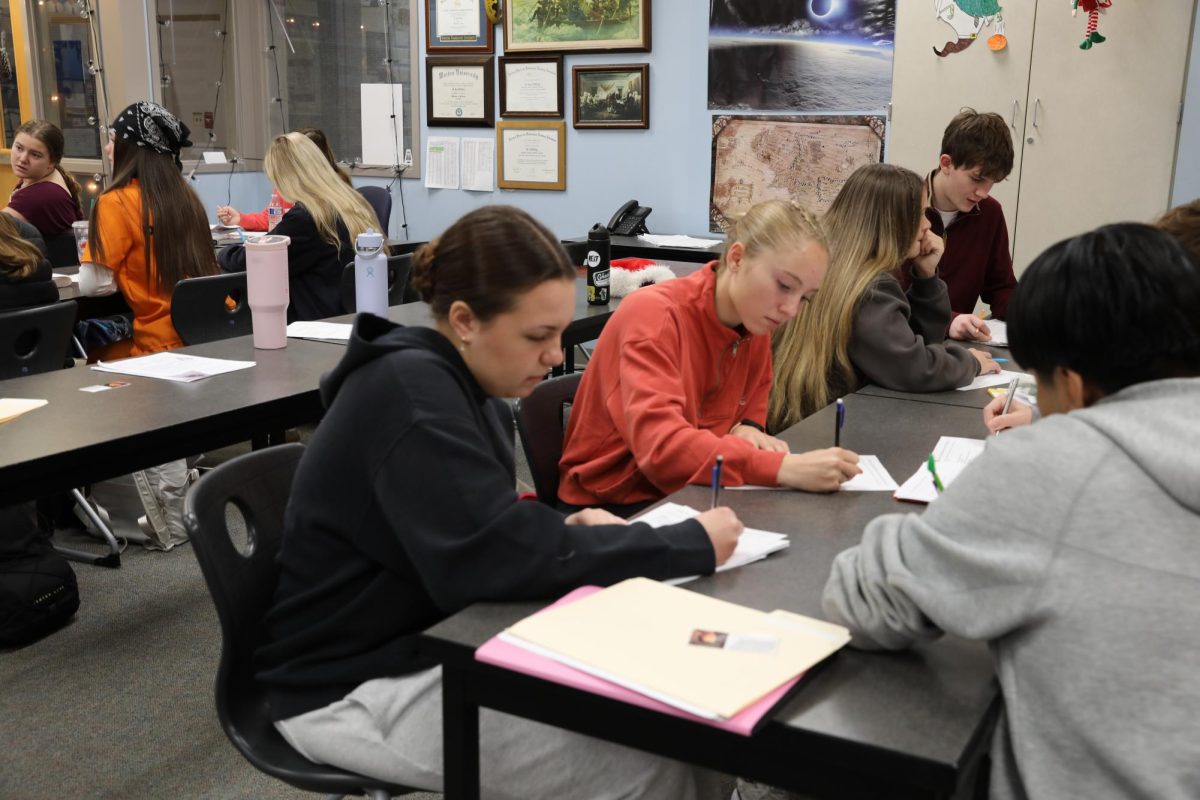
The number of students in a class can often affect students and their learning experience. Currently, school districts across the nation are experiencing population growth and classroom sizes are becoming larger. This growing number has resulted in daily classroom activities and practices slowly experiencing subtle but significant changes, even in Arlington High School.
“I think there’s a lot of studies that back that overcrowding a classroom means less individual attention for each student. It means more reliance on themselves,” said Greg Dailer, pre-calculus and math-in-society teacher.
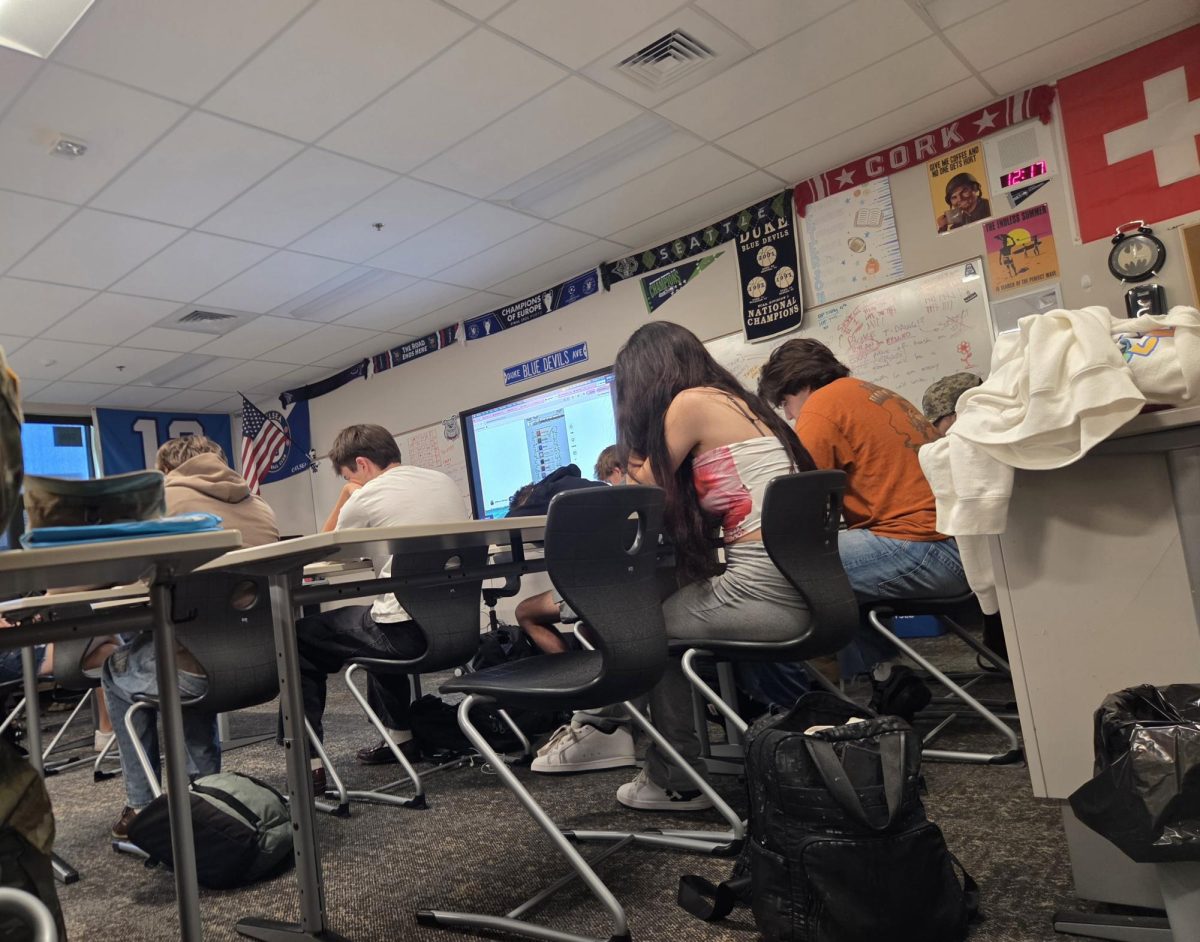
For teachers, especially those with multiple classes, the challenge is not only about the numbers but also physical restrictions. When a room exceeds 30 students, the ability to move desks into groups or conduct learning activities disappears. Teachers often find themselves handcuffed by the layout and large class population and change from hands-on instruction to a more rigid, lecture-style management of the crowd.
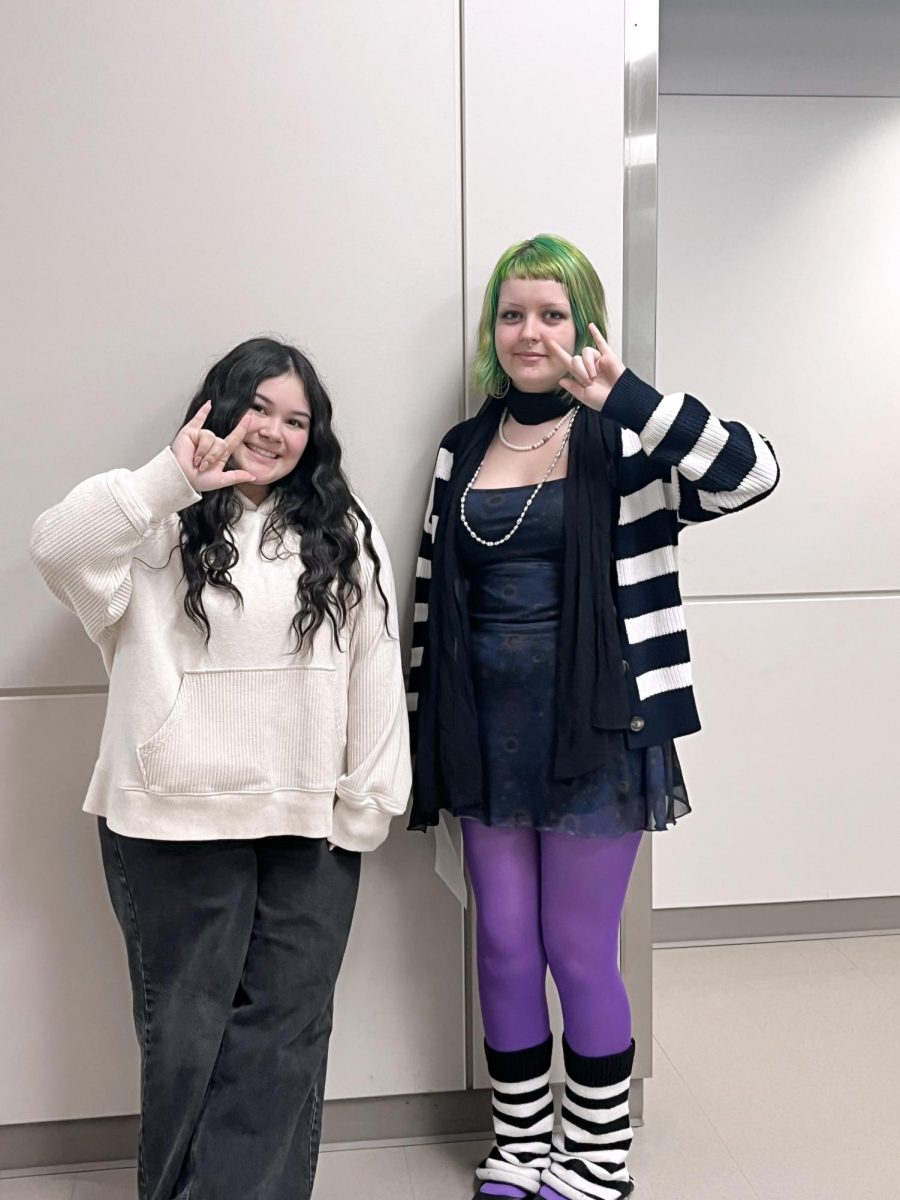
“You don’t have to manage much with 10. They’re all in front of you… With 32 or 34, that’s a lot of people to try to keep eyes on,” said Jordan Houston, ASL teacher.
This pressure isn’t only felt by the instructors. Students also notice the shift in setting when a room is packed. In smaller classes, the atmosphere of the room can change from an overstimulating crowd to a focused workspace. Students may also be more open and comfortable to share their thoughts. Lack of noise from multiple other students also allows teachers to foster better connections with those already there.
“The teacher is more at ease because they’re not taking care of their class size. They’re able to actually get work done and convey their message without a thousand students hounding them,” said Alex Phillips (‘27), one of the nine students in Houston’s smallest class.
In subjects like ASL, size has an even more unique impact. ASL is a visual language that requires clear field of view. Houston points out that while a large class might offer a good mix of personalities, it creates visual obstructions that make learning difficult for those not in the center of attention. Depth of topic is also observed in smaller classes.
“I think you can [also] spend more time on one thing with a big class but not digging deeper just trying to cover the surface of it because you are finding that you need to repeat yourself a lot,” said Houston.
The ideal classroom size can vary from 15 and often to 20 depending on teachers and students. Between this little range, students can confidently express themselves, foster relationships with their peers and also receive adequate attention in their academics. Despite this, students are often put in required classes that usually have more traffic. Still with their demerits, bigger classes can also have their own benefits.
There are more opportunities for students to have others near them that they learn well with. The larger the class, the more chance there is that there is someone in there they know, which proves to be advantageous. Bigger classes also foster higher diversity and give students an opportunity to learn from each other about different cultures and different ways of life. Students also note a more laid back environment in larger classes.
“[In larger classes] you’re able to kind of slip into the background and not get picked on for every single thing and just kind of do other work during that class,” said Phillips.