
























Stuck on deciding what you’re going to do after high school? Don’t know where to get started? Let’s see what fellow classmates are going to do and what our School-to-Work Coordinator has to say regarding life after high school.
First and foremost, there are many different paths to pursue post high school. There are apprenticeship programs, going straight to the workforce, and going back to school pursuing higher education such as college or specific degree programs for what career you want to achieve.
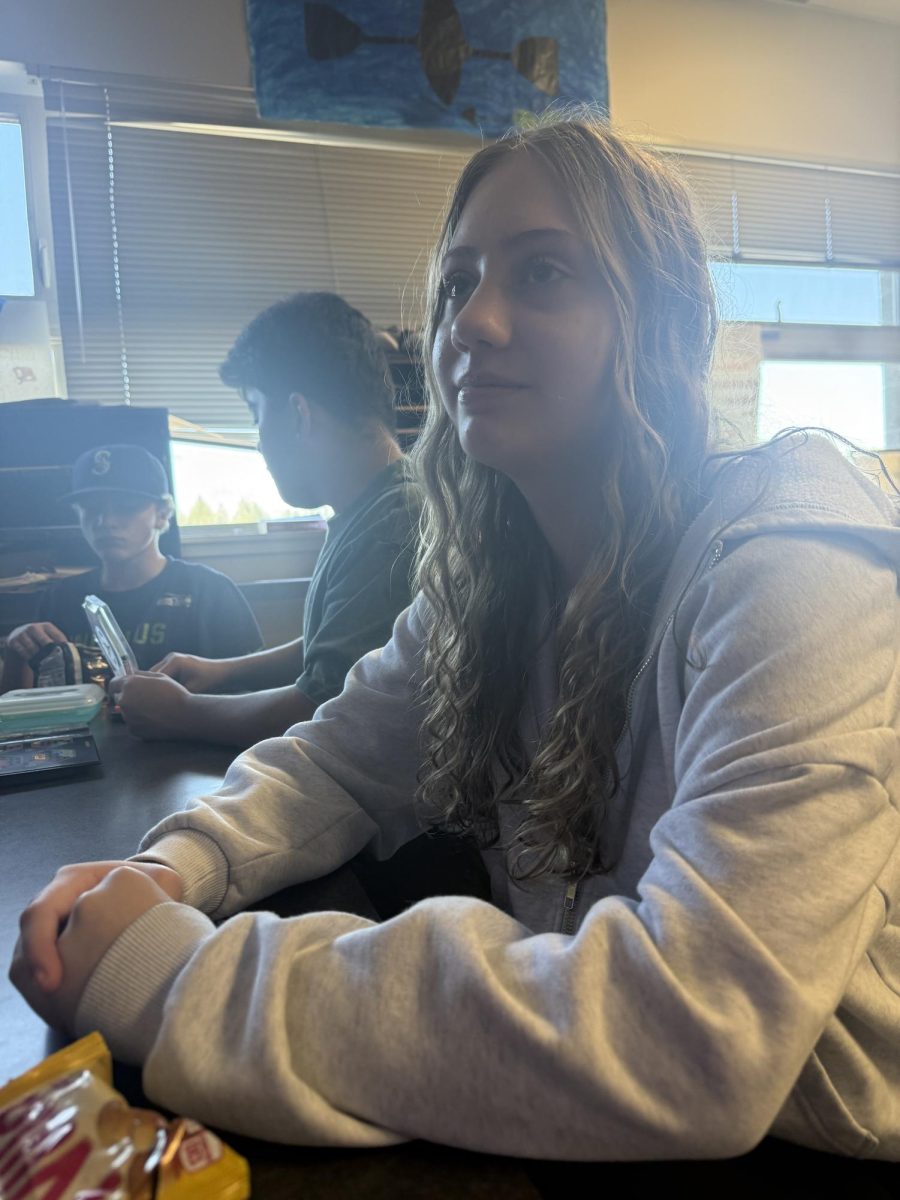
Anthony Juarez (‘26) says his most important class right now is Business Math because “we’re trading stocks and learning how to invest our money for the future while we get older and for our retirement.” Ensuring students can learn how to invest and work their way around the stock market to potentially earn money.
Investing your money in stocks can be a risky, bold, yet smart investment if played out the right way. At Arlington High School, I hear and see a lot of other students also getting involved in the stock market, already buying and selling stocks to gain a profit. —Of course, they start off cheap but when their money increases as stock values increase, it becomes a game of high-risk, high-reward. Would you wanna go this route after high school? Possibly pursuing a career as a Stock Trader?
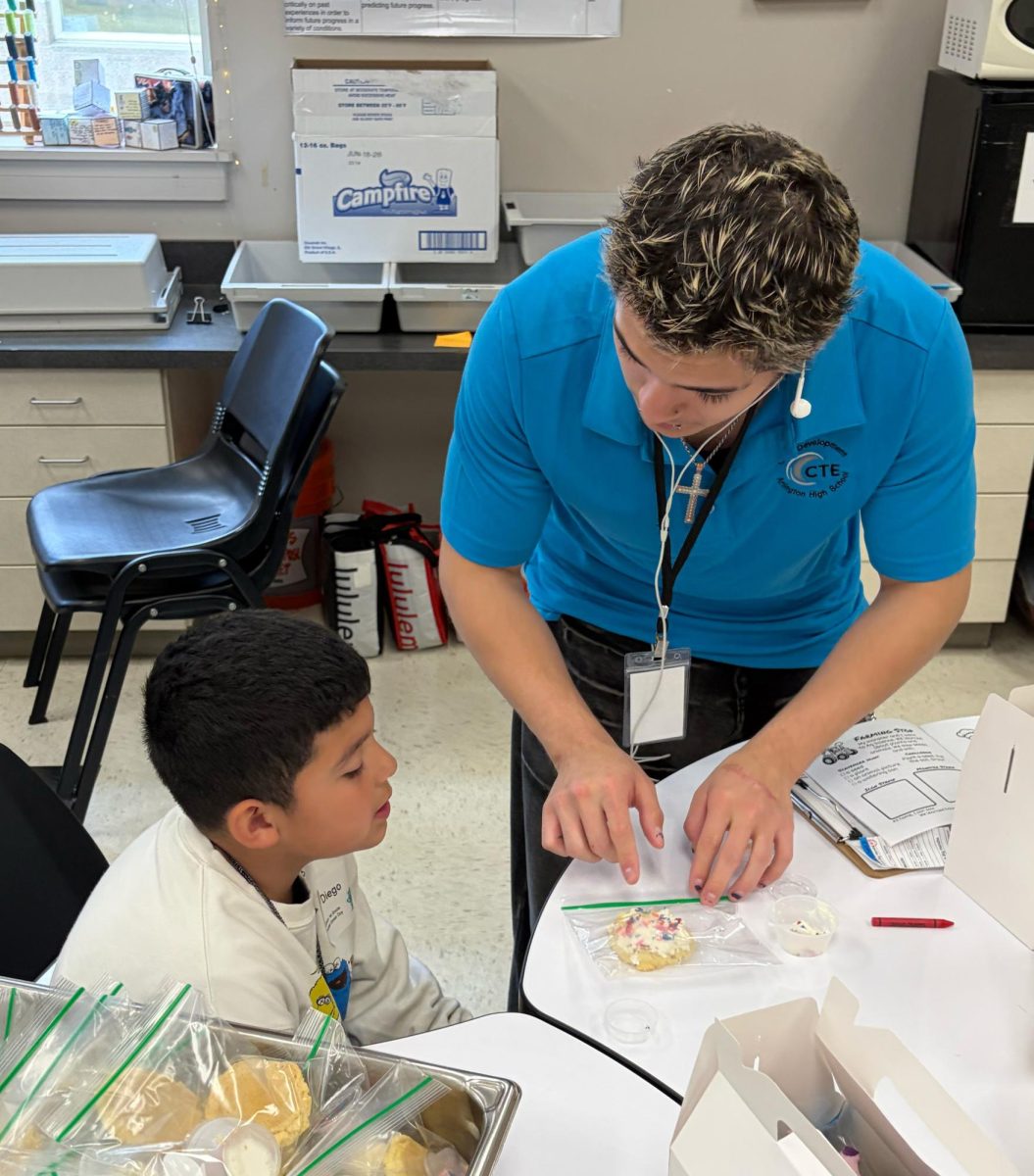
Next, we have Eduardo Juarez-Soriano (‘26) who would like to be a Civil Engineer for his future career after high school; he would like to attend Washington State University for four years. Currently, Juarez-Soriano says his most important class is College Writing, this class educates students to have better writing skills and practices to use in real-world applications; learning grammar, punctuation and more complex vocabulary. These writing skills provide high-value towards employability, and are especially important for a civil engineering career.
Now, let’s ask Arlington Public School’s School-to-Work Coordinator, Lisa Rodino about advice for life after high school. Ms. Rodino has been in this position for four years, with the 2025-26 school year to become the fifth; she has worked at AHS, Skagit Valley Learning Center, Weston, and Open Doors throughout these years. Prior to these five years, she has worked in higher education for over 20 years, mainly in private institutions. Initially, “I didn’t think that I’d ever work in public education,” Rodino said.
When students become curious about their future, they often go to the Career Center located in room A214. However, students aren’t always the ones going to her, Rodino also steps into individual classrooms to give advice within a presentation so each student is informed about some paths after high school. Occasionally, she isn’t able to help students when they ask for it, because sometimes, “there are some things I don’t have expertise in. For example, when student-athletes come to me, I can absolutely help them with scholarships and college applications… But when it comes to like NCAA clearinghouse and all of that, I don’t have the knowledge.”
When situations such as that occur, Rodino will steer the student’s direction towards a source that has knowledge for their situation so the student will always get help no matter what.
Some students may think higher education is just a waste of time, but, when diving deeper into it, “Higher education, a lot of times students will think, if I go to higher education or I go to college, I have to go all four years.. I have to go six years.. I have to go eight years. And that’s just not the case,” Rodino said, further emphasizing the fact that certain programs such as welding only require one or two quarters to obtain a certificate, with this, students become more marketable in that industry.
Moreover, Rodino said, “…If a student says, hey, I want to go into the medical [field], we could look at on-the-job training for them.” Adding on to that, students can look into enrolling in apprenticeship programs or pursuing higher education at a college, or even enlisting to pursue the career they truly want to pursue.
From the students Rodino has helped throughout the years, she approximates that most students she has worked with went straight into the workforce after high school, but there is still a large amount of students pursuing higher education as well. It is all just dependent on the student’s desires for what they want to do.
When students are researching their options for after high school pathways, it is all dependent on the student’s life goals and what they want to do with their life. “I say that three times, the student’s individual goals,” Rodino said.